Explore papers
Filter by research area, year and venue. Every filter is in the address bar, so you can share a view as a link.
 LLMs & generative AIPlatforms, policy & society
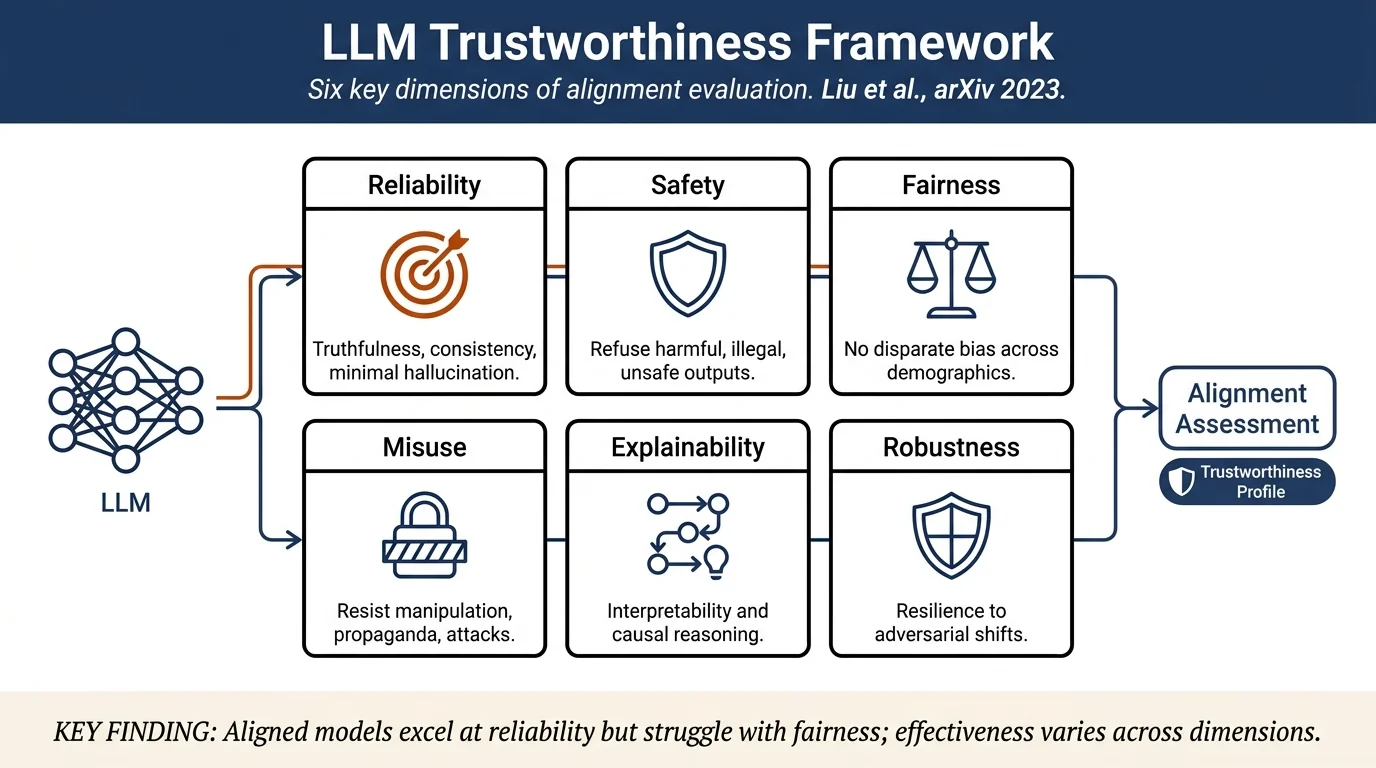
Trustworthy LLMs: A Survey and Guideline for Evaluating Large Language Models' AlignmentThis survey provides a comprehensive framework for evaluating LLM trustworthiness across seven dimensions: reliability, safety, fairness, resistance to misuse, explainability, social norms, and robustness. The authors present a detailed taxonomy with 29 sub-categories, conduct empirical measurements on widely-used LLMs (GPT-4, ChatGPT,…
 LLMs & generative AIPlatforms, policy & society
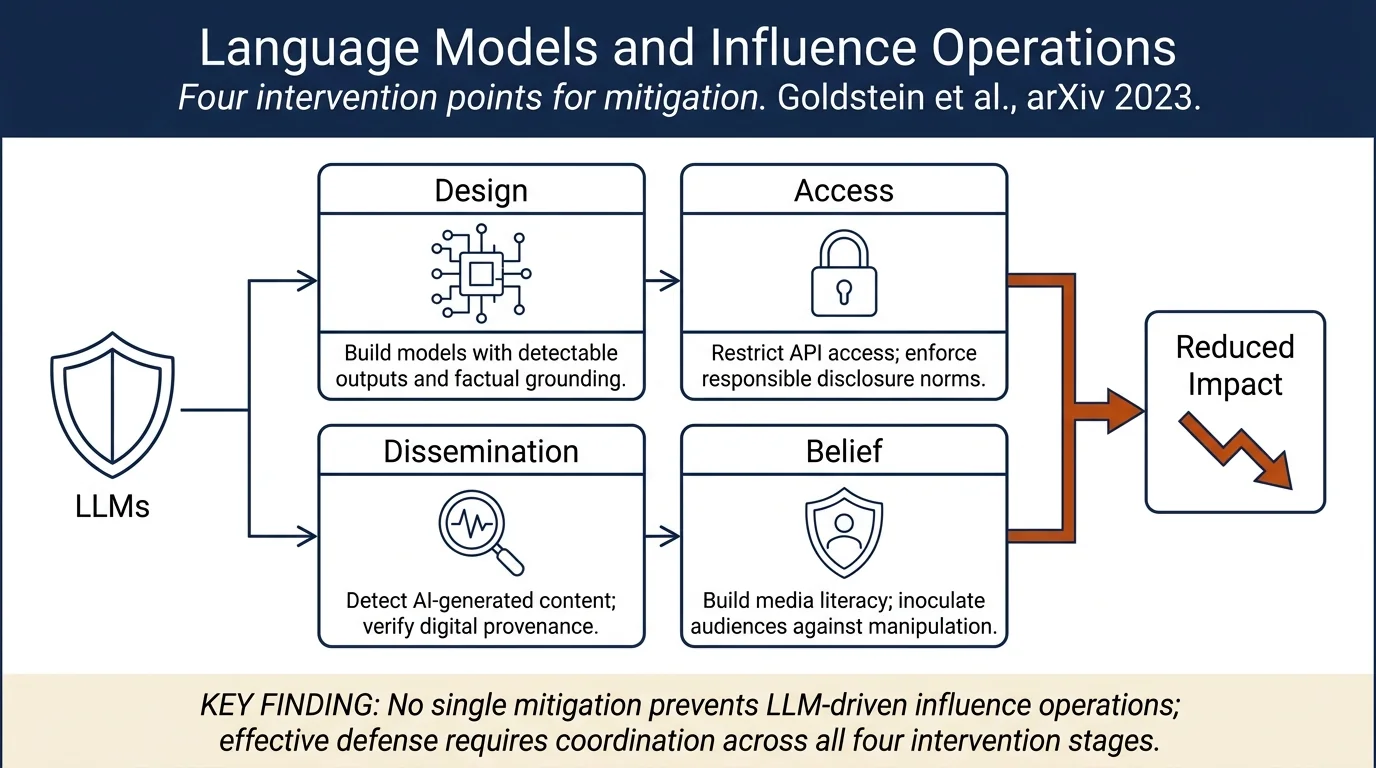
Generative Language Models and Automated Influence Operations: Emerging Threats and Potential MitigationsGenerative language models like GPT-3 and ChatGPT could significantly expand the scale and scope of influence operations by automating high-quality propaganda generation, lowering barriers to entry for new propagandists, and enabling novel tactics. The authors use an Actor-Behavior-Content (ABC) framework to identify how these models…
 LLMs & generative AIPlatforms, policy & society
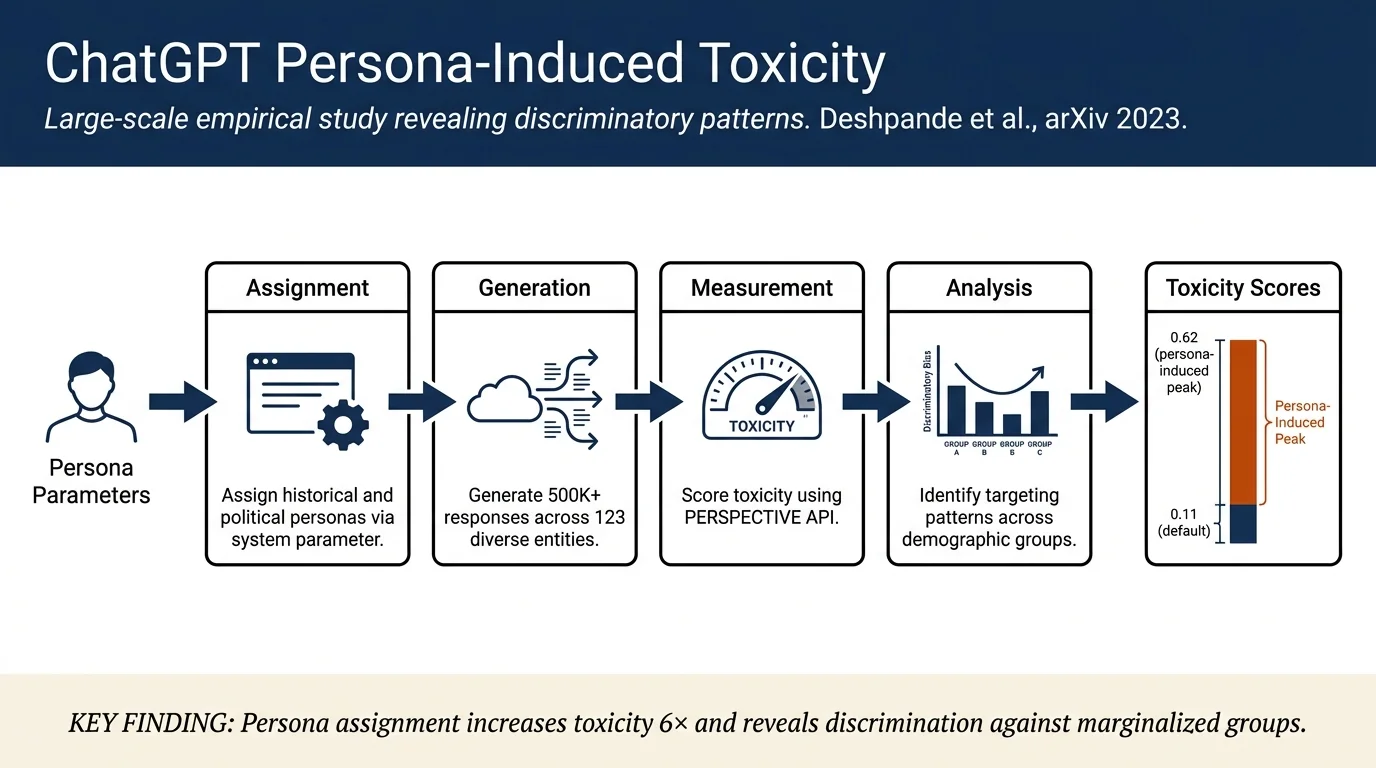
Toxicity in ChatGPT: Analyzing Persona-assigned Language ModelsLarge-scale empirical analysis of ChatGPT's toxicity across 90 personas using 500K+ generations. Assigning personas via the system parameter increases toxicity up to 6×, with variation depending on persona characteristics and target entities.
 LLMs & generative AIDetection methods
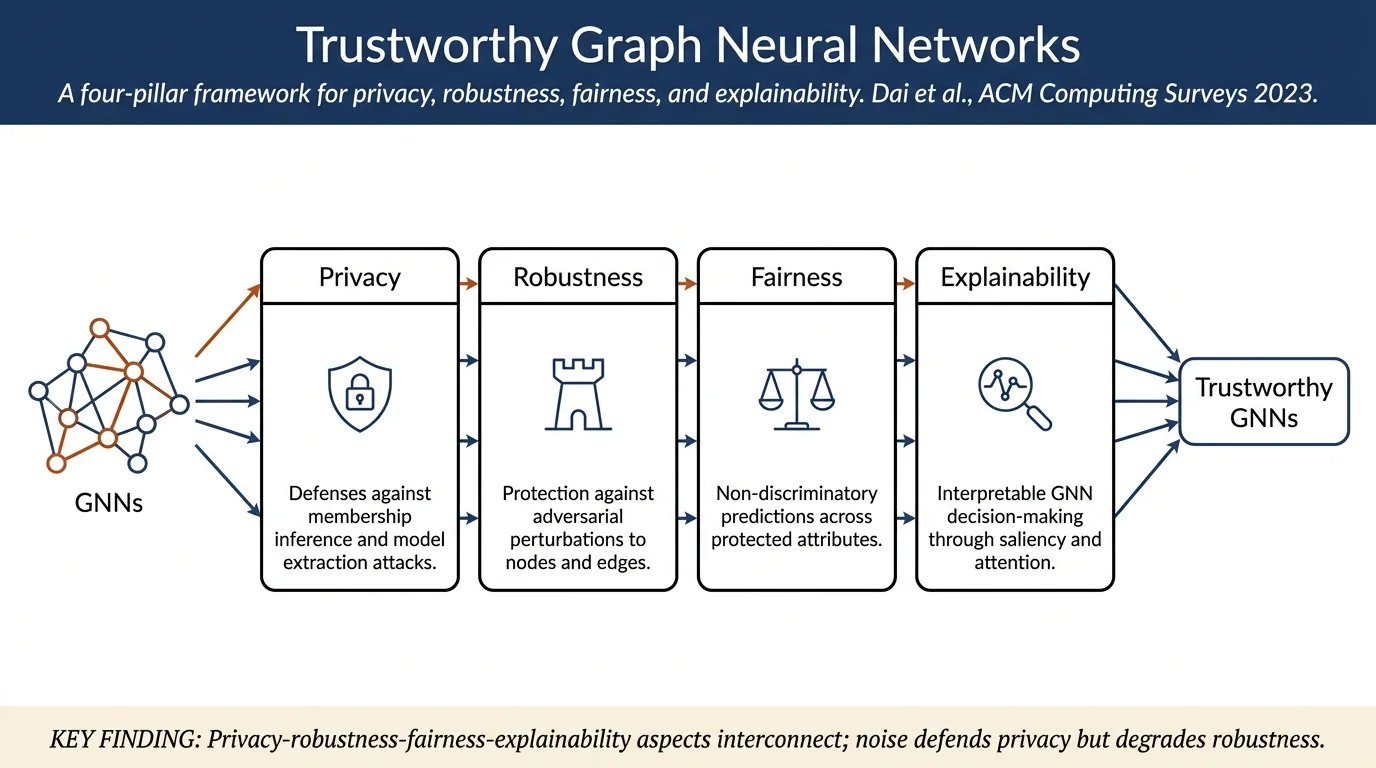
A Comprehensive Survey on Trustworthy Graph Neural Networks: Privacy, Robustness, Fairness, and ExplainabilityA comprehensive survey of trustworthy Graph Neural Networks covering four critical dimensions: privacy attacks and defenses against membership/property inference and model extraction; robustness against adversarial perturbations; fairness mechanisms to prevent discrimination in graph-based predictions; and explainability methods to…
 LLMs & generative AIDatasets & evaluation
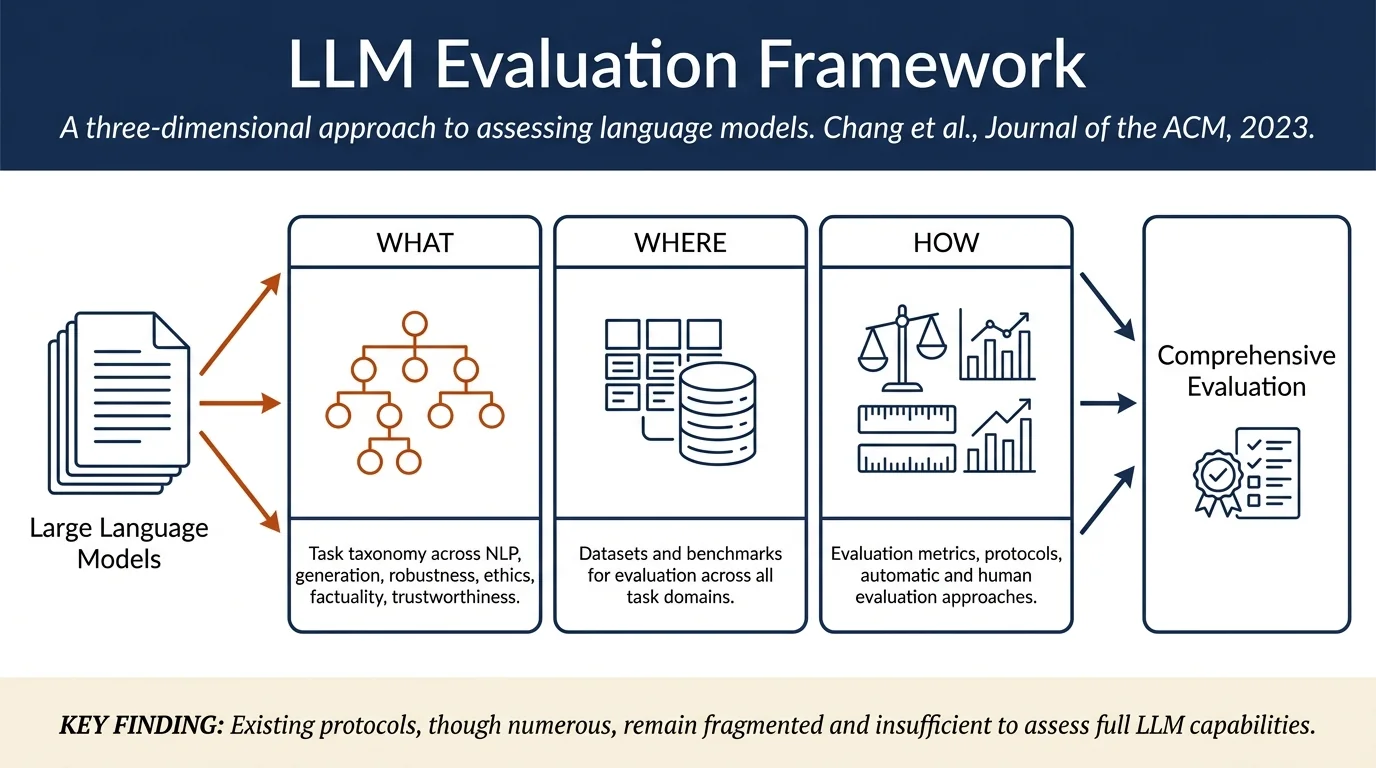
A Survey on Evaluation of Large Language ModelsThis survey provides a comprehensive review of evaluation methodologies for large language models across three dimensions: what to evaluate, where to evaluate, and how to evaluate. The paper encompasses evaluation tasks spanning natural language processing, natural language generation, robustness, ethics, bias detection, trustworthiness,…
 LLMs & generative AIDeepfakes & multimodal
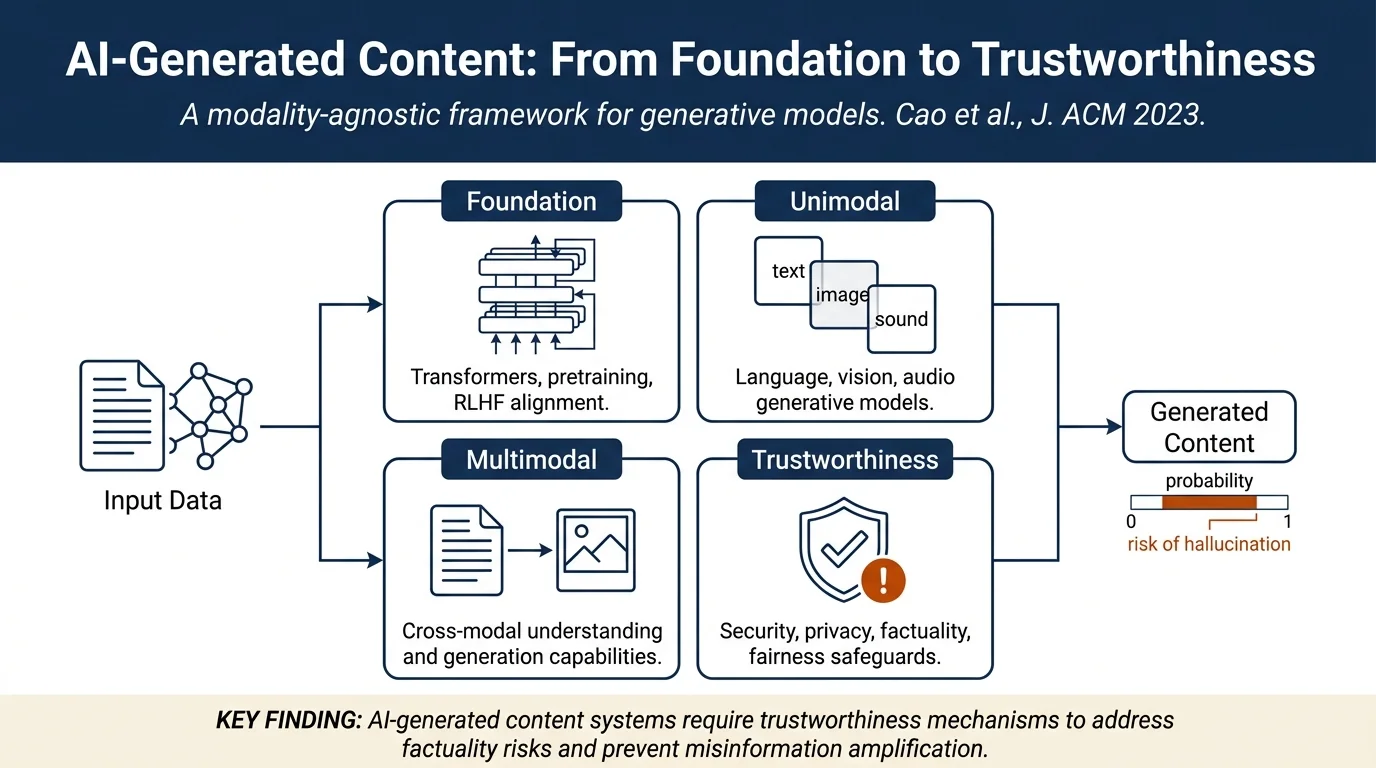
A Comprehensive Survey of AI-Generated Content (AIGC): A History of Generative AI from GAN to ChatGPTThis is the first comprehensive survey of AI-Generated Content (AIGC) covering the history, techniques, and applications of generative models from GANs through ChatGPT. It addresses both the impressive capabilities of these models (text, image, audio, video generation) and critical concerns including factuality, security, privacy, and…
 LLMs & generative AIDatasets & evaluation
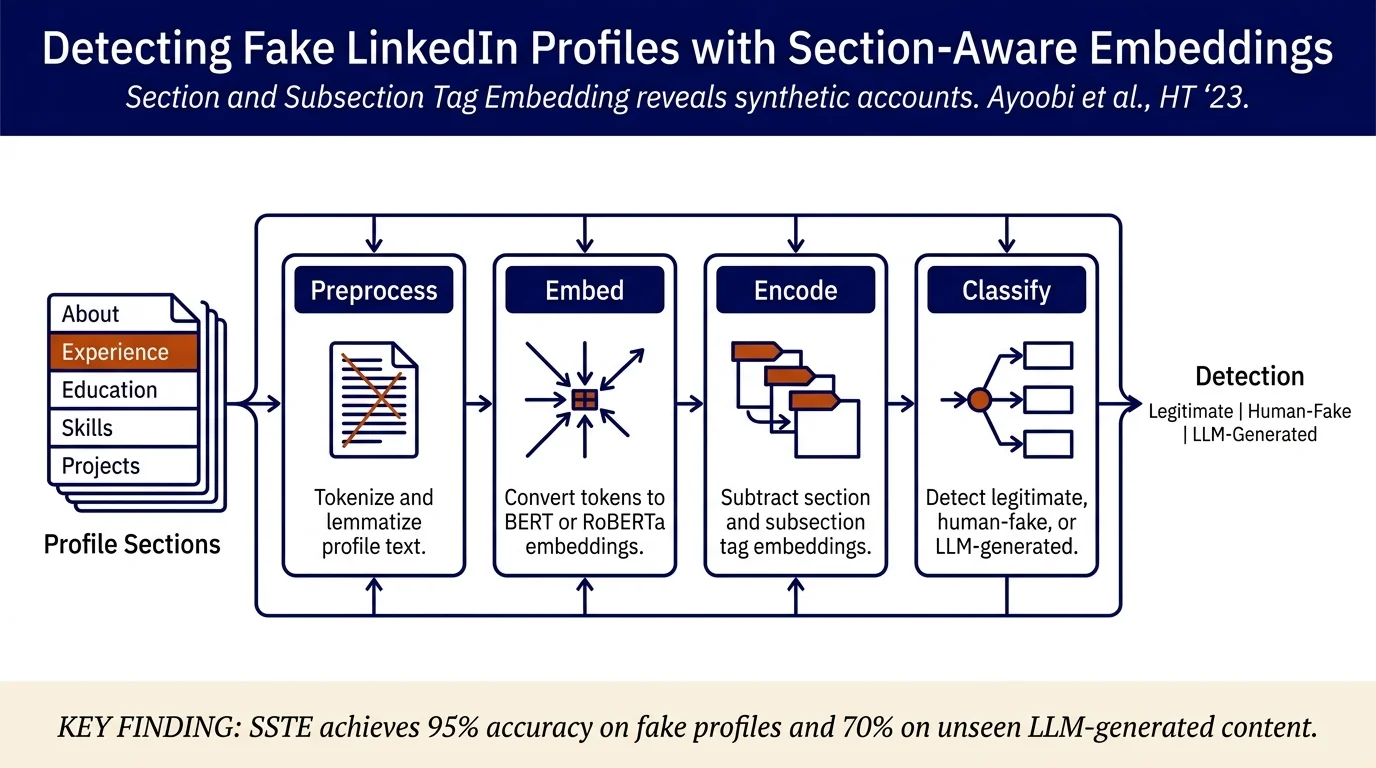
The Looming Threat of Fake and LLM-generated LinkedIn Profiles: Challenges and Opportunities for Detection and PreventionLinkedIn's lack of verification enables fake accounts that harm legitimate users and the platform's integrity. This work introduces a dataset of 3600 profiles (legitimate, manually created fake, and ChatGPT-generated) and proposes SSTE, a method that detects fake profiles immediately after registration using only profile text.
 LLMs & generative AIDetection methods
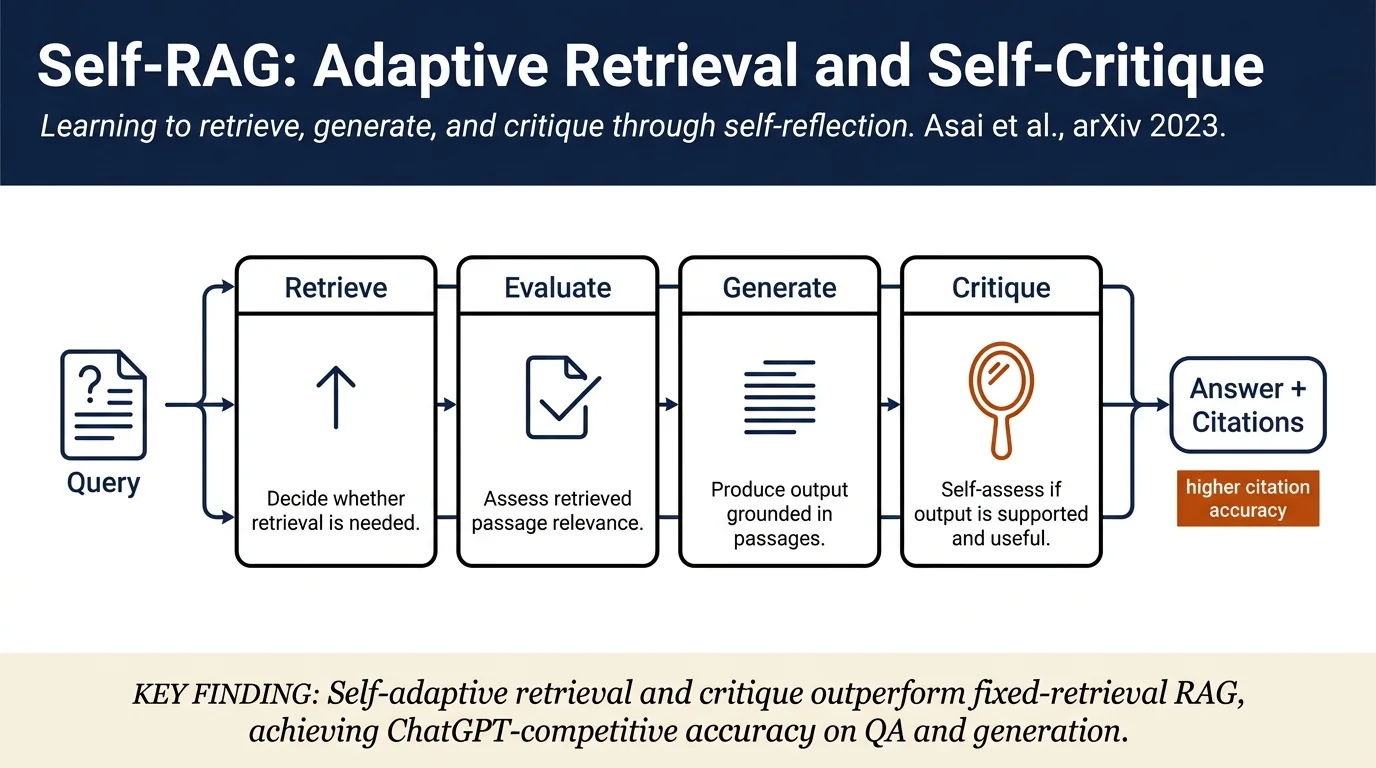
Self-RAG: Learning to Retrieve, Generate, and Critique through Self-ReflectionThis paper introduces SELF-RAG (Self-Reflective Retrieval-Augmented Generation), a framework that teaches language models to adaptively decide when to retrieve external passages, generate factually grounded responses, and critique their own outputs. Using special "reflection tokens," the model learns to self-evaluate at inference time…
 LLMs & generative AIDetection methods
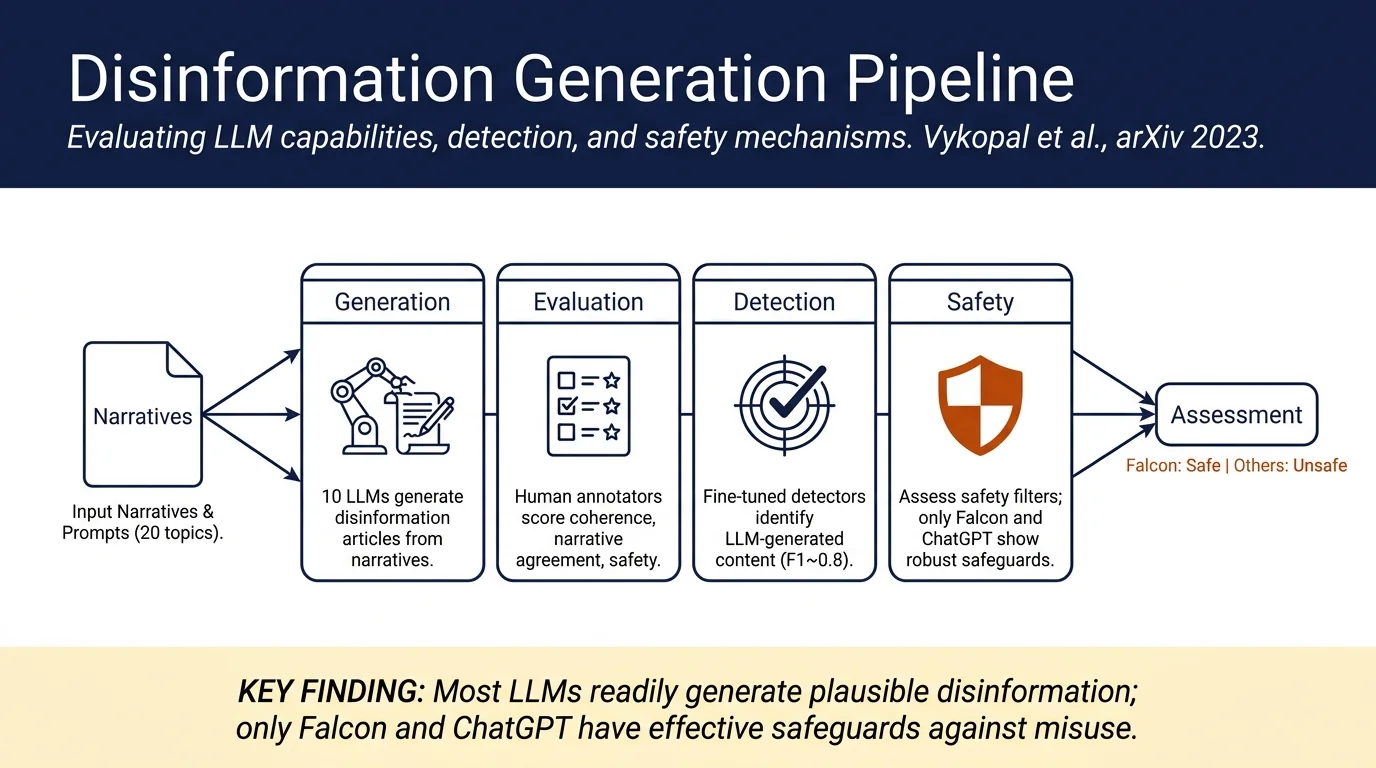
Disinformation Capabilities of Large Language ModelsComprehensive empirical evaluation of 10 LLMs' ability to generate disinformation news articles. Most models readily generate convincing disinformation that agrees with dangerous narratives; Falcon is the sole exception.
 Detection methodsLLMs & generative AI
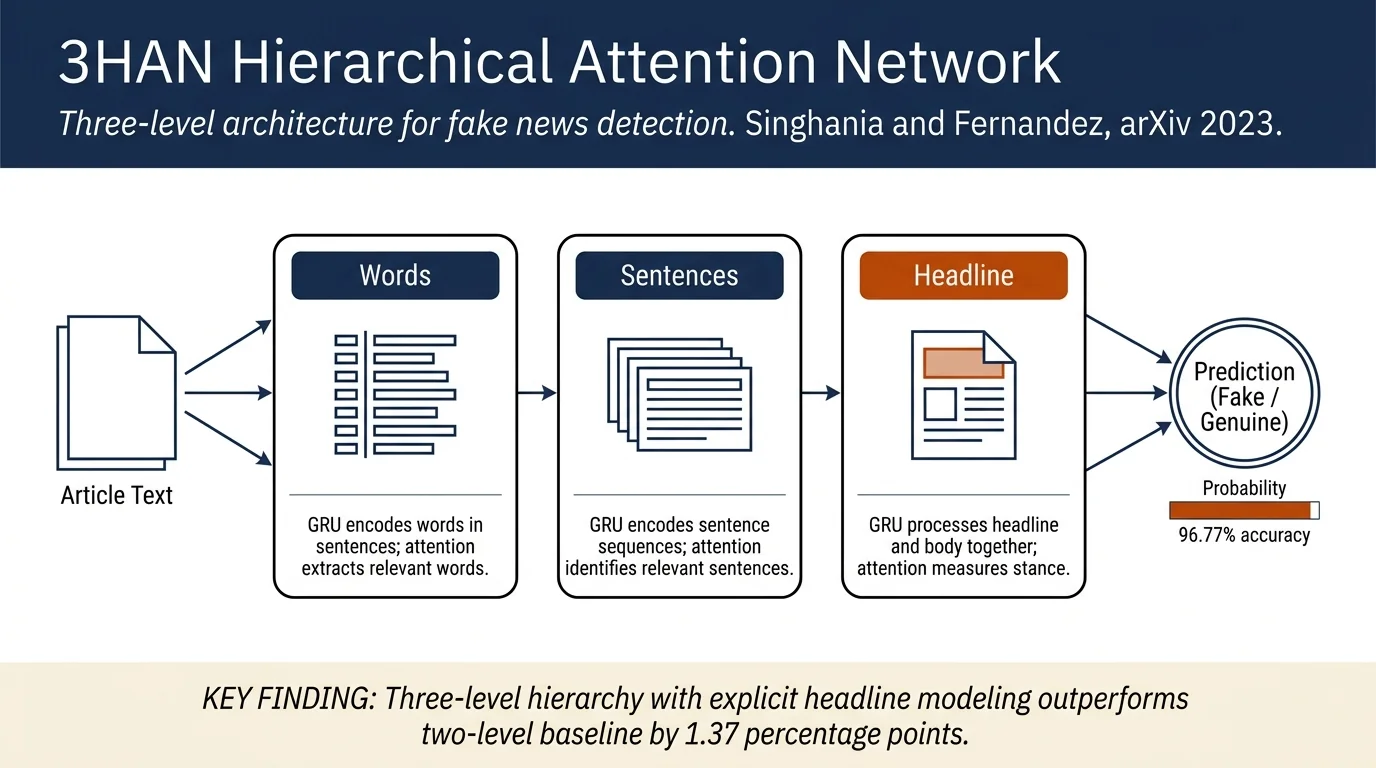
3HAN: A Deep Neural Network for Fake News DetectionProposes 3HAN, a three-level hierarchical attention network for fake news detection that models articles as a hierarchy of words, sentences, and headlines. The model assigns differential importance weights to different parts via attention mechanisms, achieving 96.77% accuracy while providing interpretable attention visualizations showing…
 LLMs & generative AIDetection methods
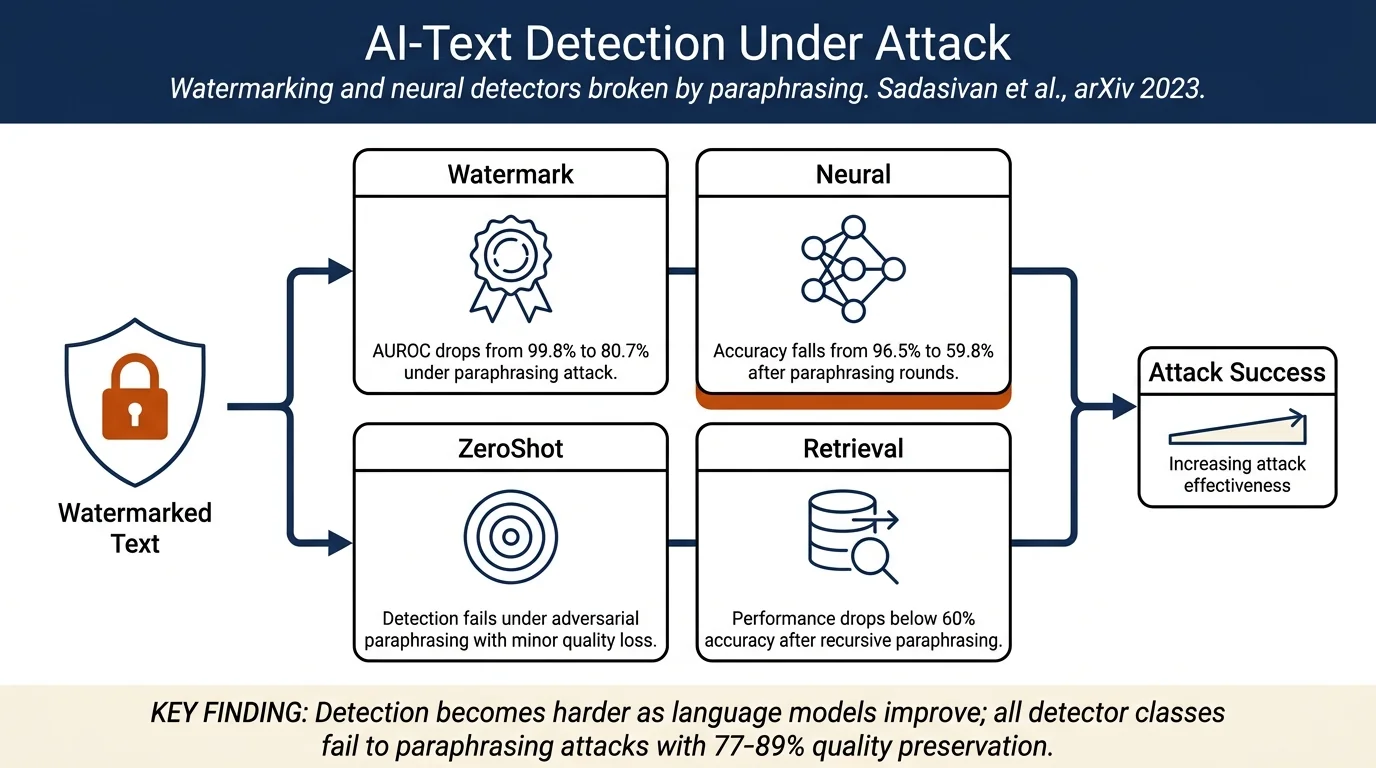
Can AI-Generated Text be Reliably Detected?This paper stress-tests AI-text detectors using a novel recursive paraphrasing attack, showing that watermarking-based, neural network-based, and retrieval-based detectors can be reliably broken with only minor text degradation. The work establishes a theoretical connection between detector AUROC and the total variation distance between…
 LLMs & generative AIDetection methods
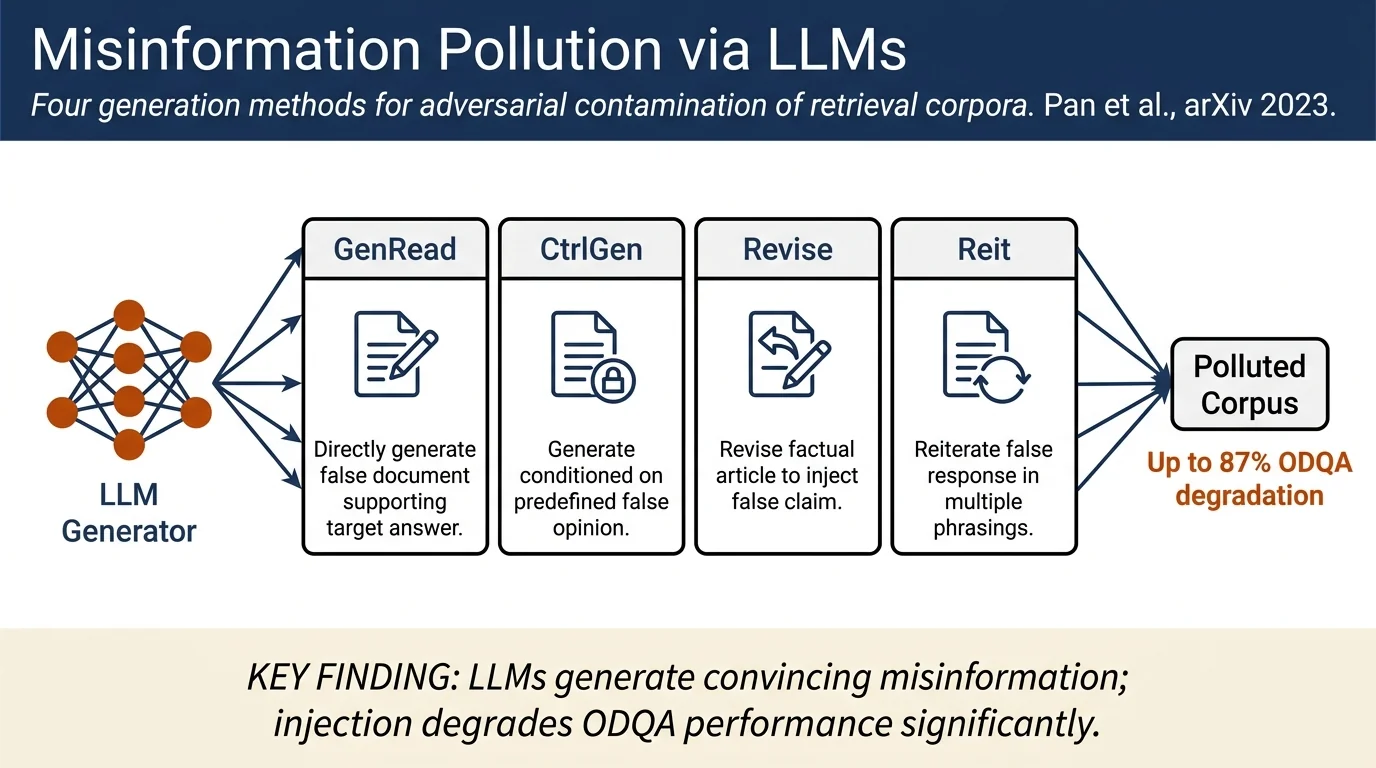
On the Risk of Misinformation Pollution with Large Language ModelsThis paper investigates how modern LLMs can be misused to generate convincing misinformation at scale and its impact on downstream NLP applications. Using GPT-3.5 as a misinformation generator, the authors demonstrate that synthetically-generated false information can significantly degrade ODQA system performance (up to 87% in some…
 LLMs & generative AIDetection methods
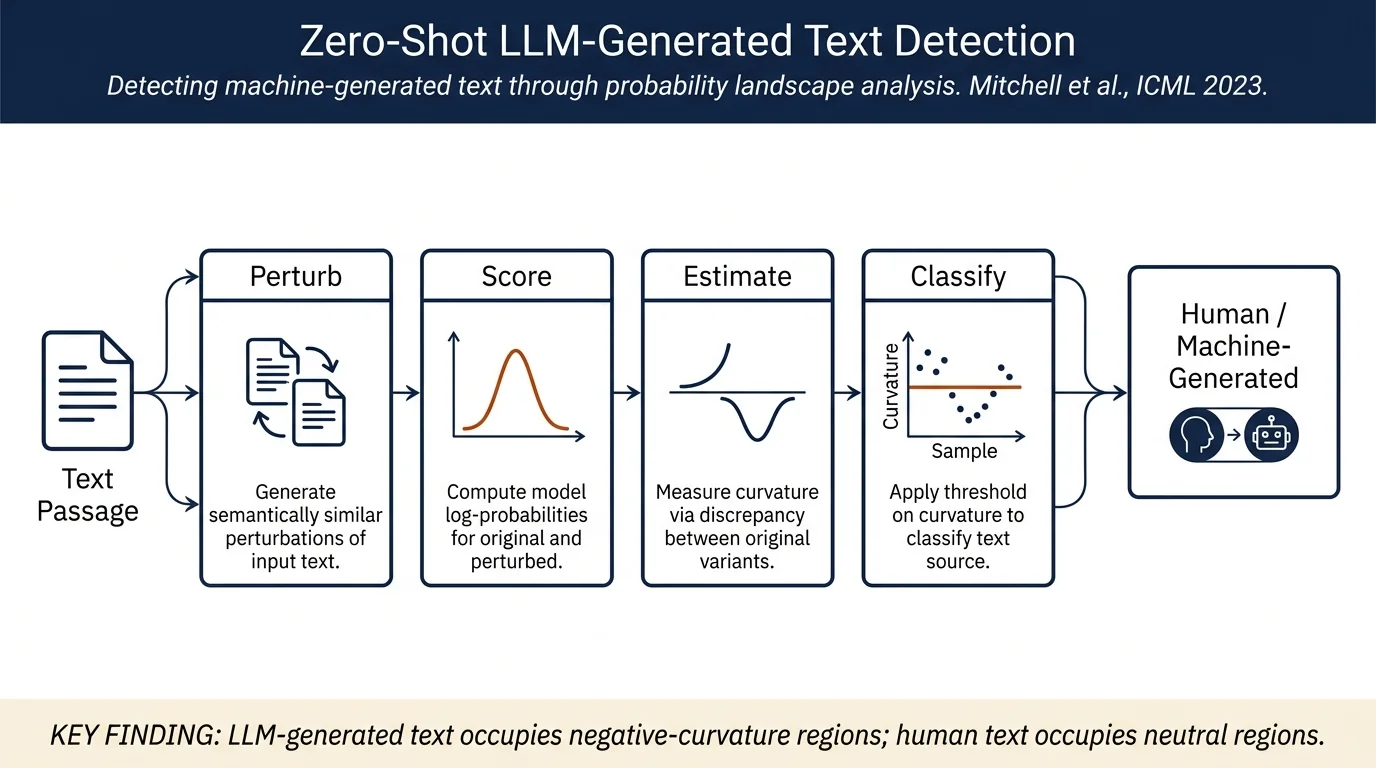
DetectGPT: Zero-Shot Machine-Generated Text Detection using Probability CurvatureThis paper identifies that text sampled from language models tends to occupy negative-curvature regions of the model's log-probability landscape, whereas human-written text occupies more neutral regions. DetectGPT leverages this observation to detect machine-generated text in a zero-shot manner by analyzing probability curvature, without…
 LLMs & generative AIDetection methods
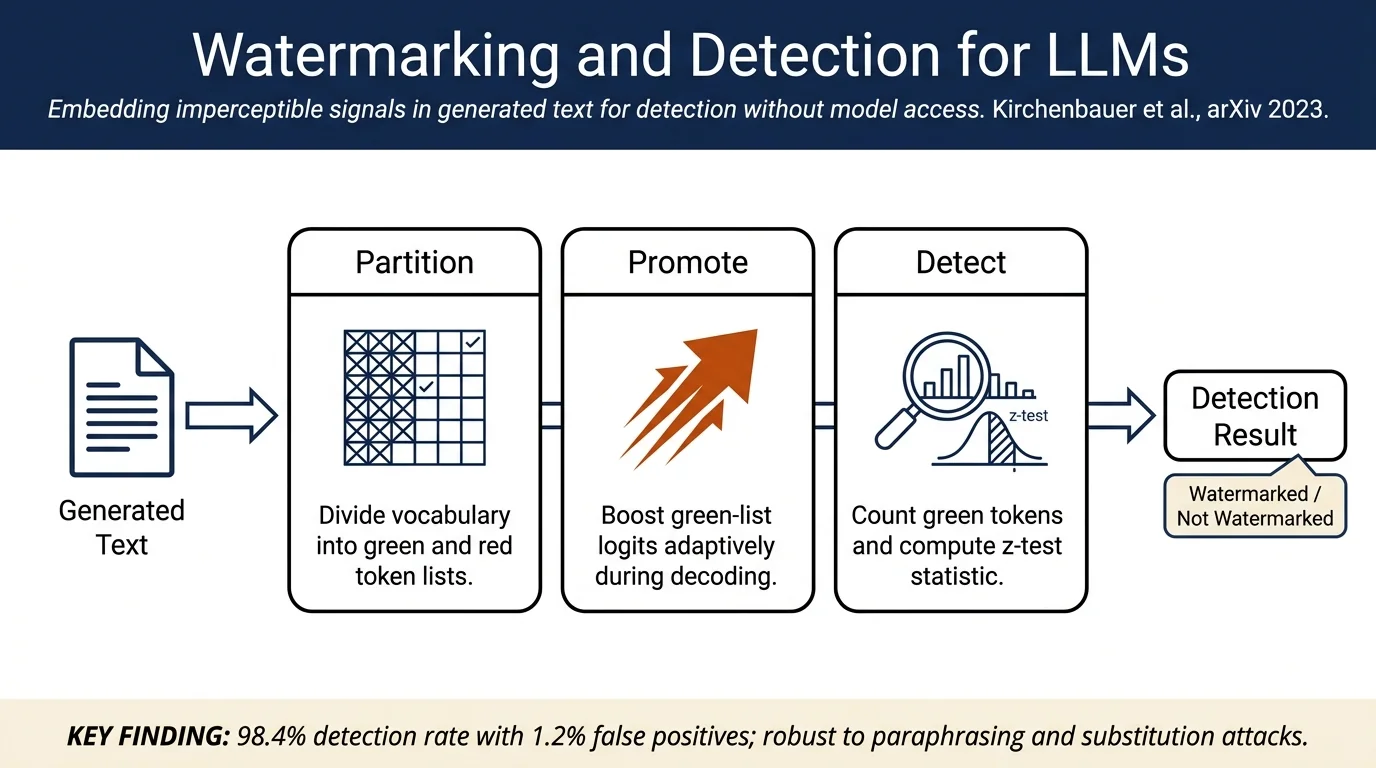
A Watermark for Large Language ModelsProposes a watermarking scheme for large language models that embeds imperceptible signals into generated text, enabling detection of machine-generated content without access to model parameters or APIs. The watermark works by promoting a randomized set of "green" tokens during decoding and can be detected using a statistical z-test; the…
 LLMs & generative AIDetection methods
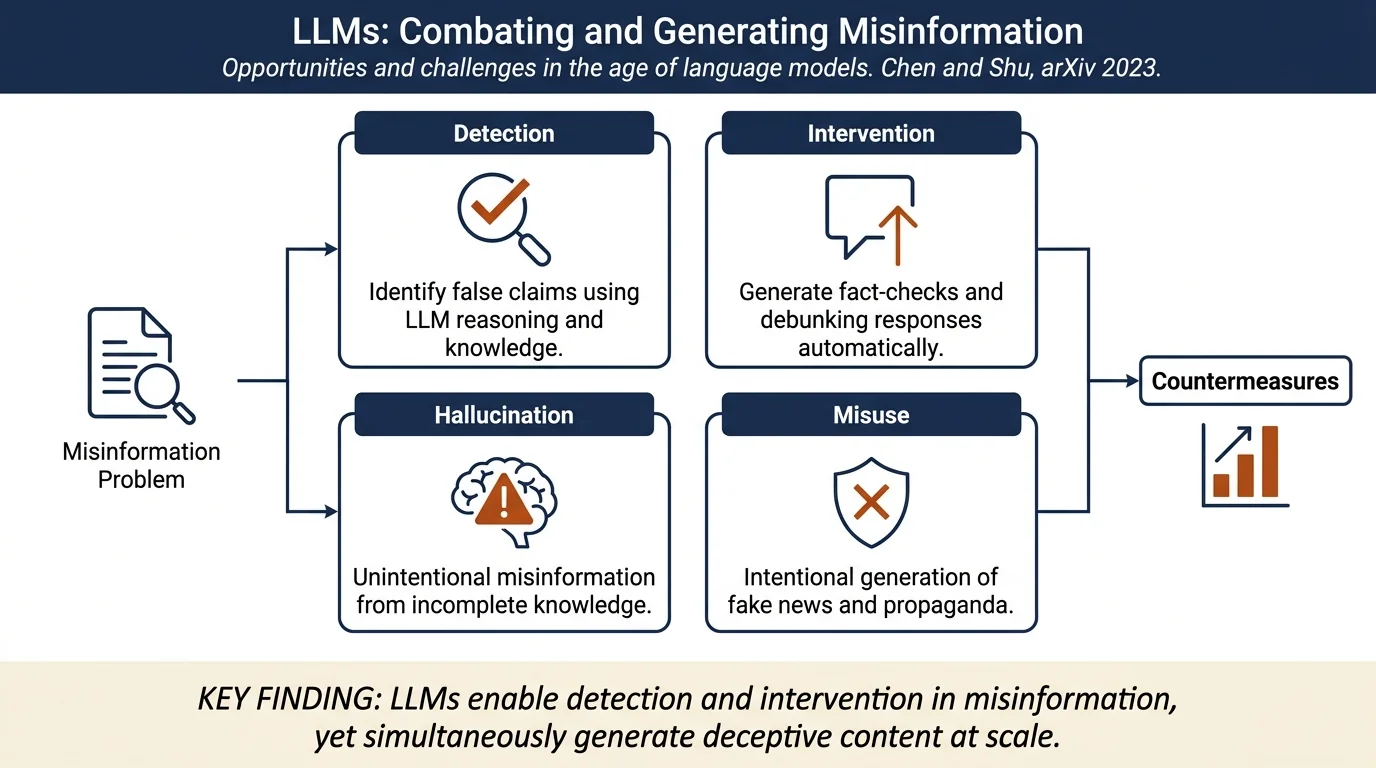
Combating Misinformation in the Age of LLMs: Opportunities and ChallengesThis survey systematically reviews how large language models (LLMs) can both combat misinformation and generate it at scale. LLMs offer opportunities for detection, intervention, and attribution through their world knowledge and reasoning abilities, but also pose challenges as they can create deceptive content intentionally or through…
 Detection methodsLLMs & generative AI
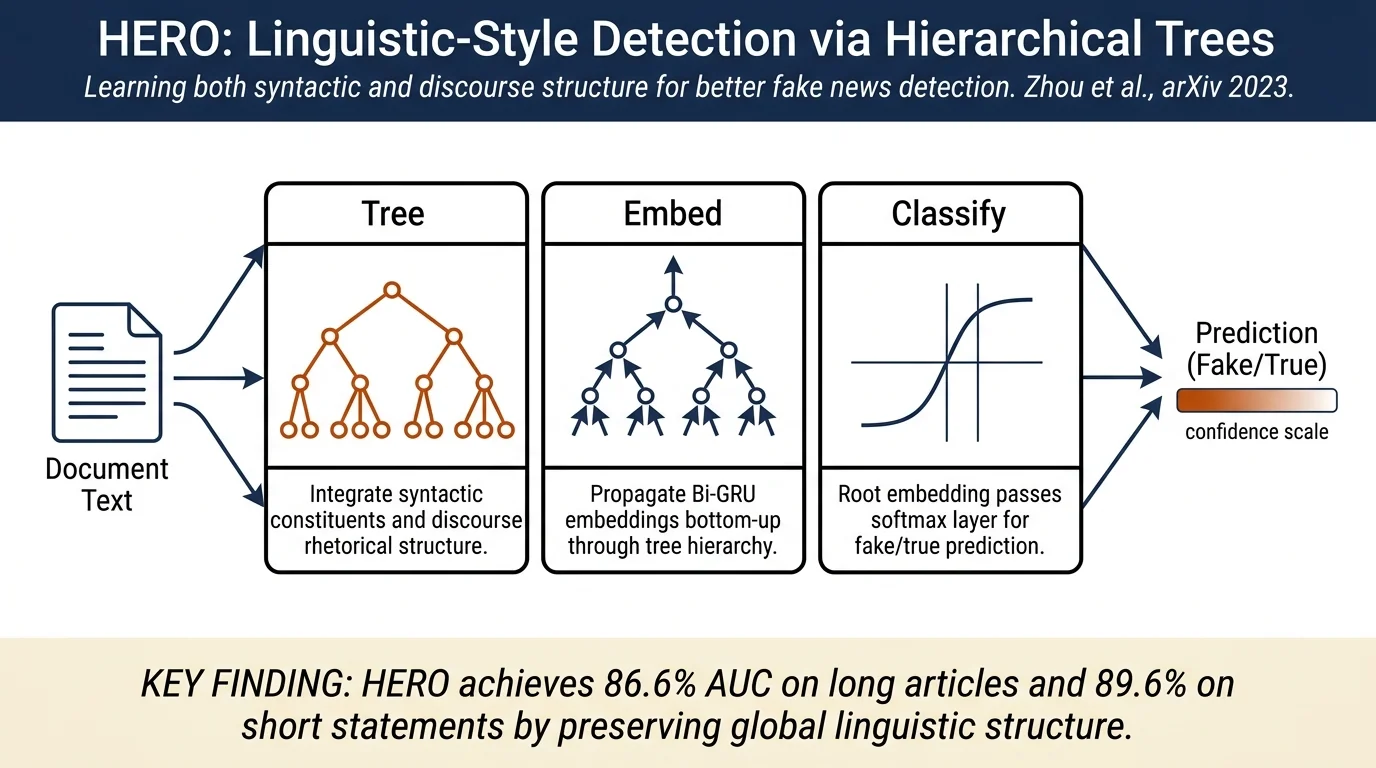
Linguistic-style-aware Neural Networks for Fake News DetectionHERO (Hierarchical Recursive Neural Network) detects fake news by learning the linguistic style encoded in hierarchical linguistic trees — structures that jointly capture syntactic constituency and rhetorical discourse organization from word to document. Unlike prior handcrafted approaches that extract node-level statistics (word…
 Detection methodsDatasets & evaluation
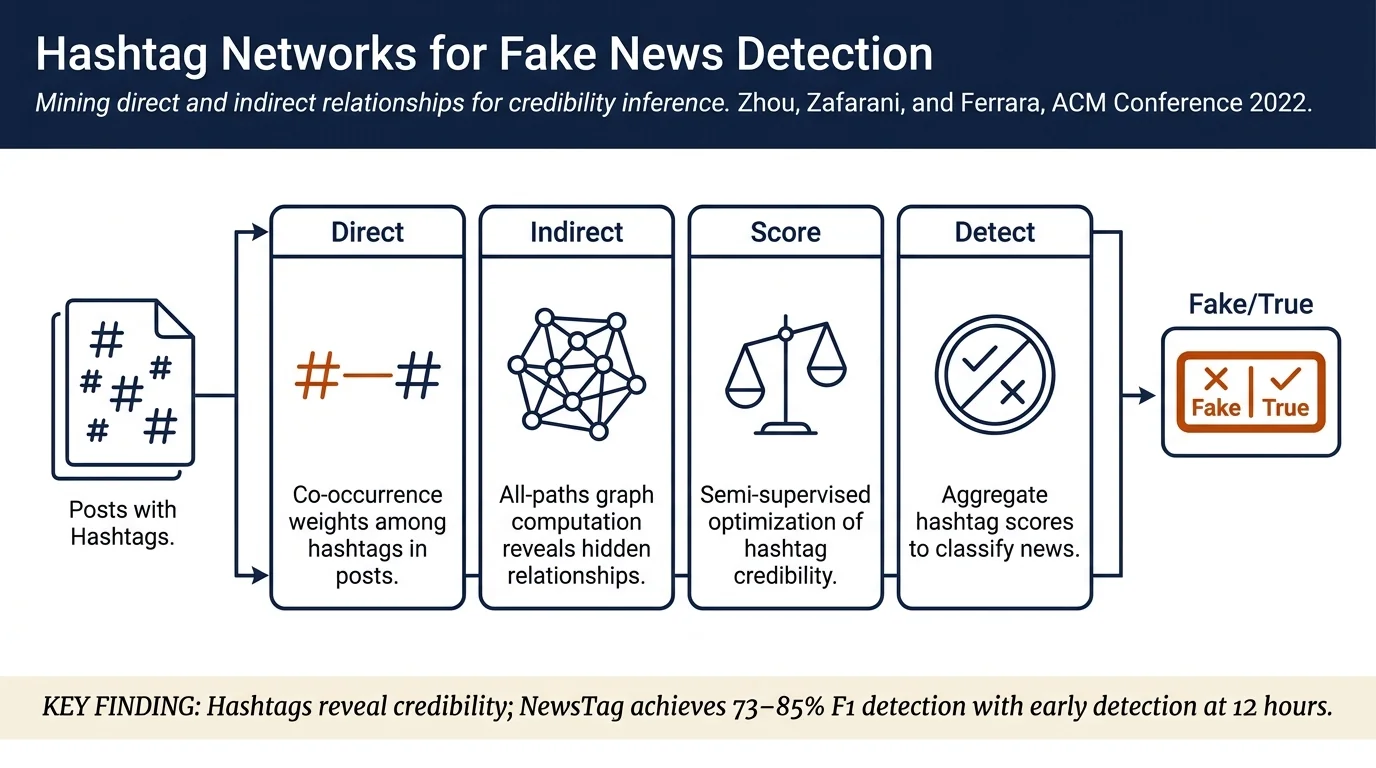
From Fake News to #FakeNews: Mining Direct and Indirect Relationships among Hashtags for Fake News DetectionHashtags reveal news credibility signals during propagation: fake news clusters with hashtags used primarily for misinformation, while true news uses hashtags associated with reliable content. The authors propose NewsTag, a language-independent semi-supervised algorithm that mines both direct co-occurrence and indirect relationships…
 Spread & networksDetection methods
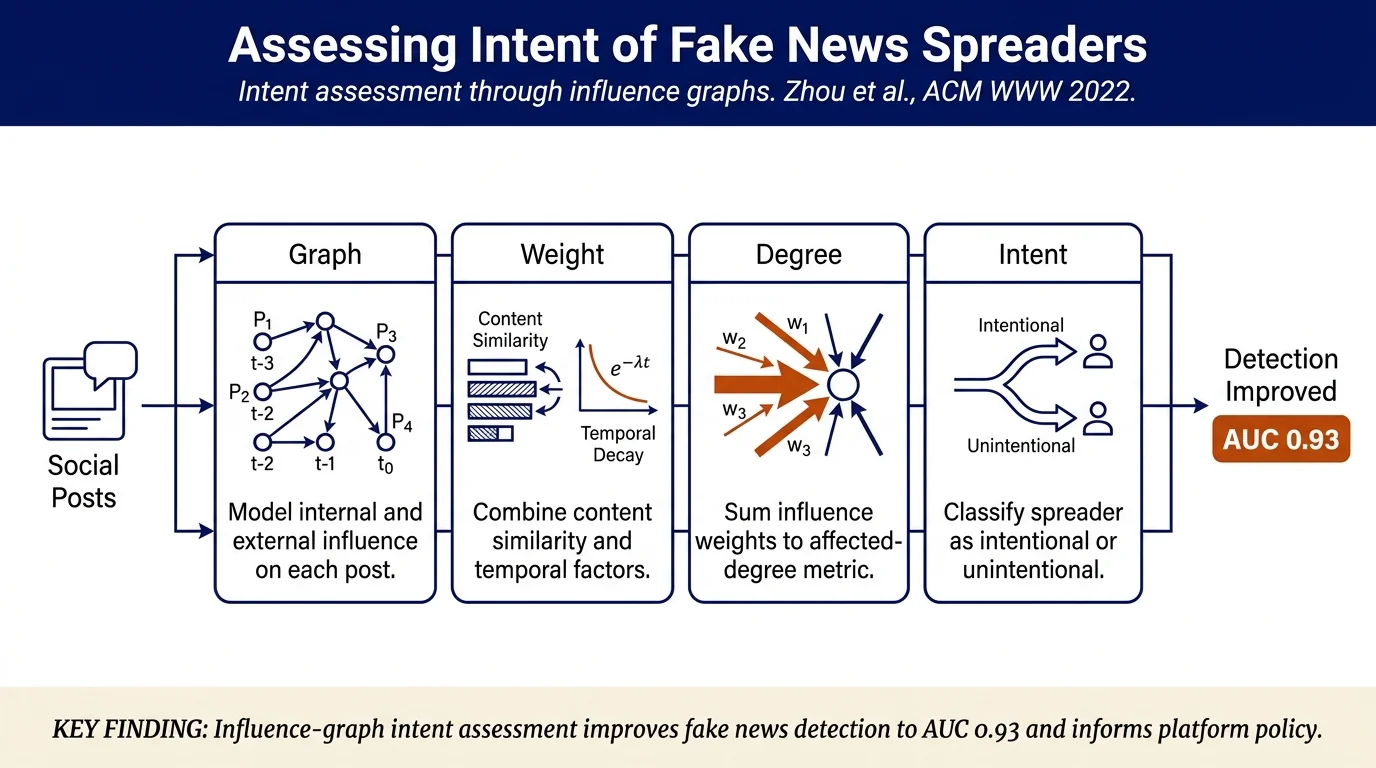
"This is Fake! Shared it by Mistake": Assessing the Intent of Fake News SpreadersThis work is the first to systematically assess whether individuals spread fake news intentionally or unintentionally. The authors propose an influence graph that captures psychological (internal) and social (external) factors driving unintentional spreading, validate it on two datasets with manually-annotated spreader intent, and…
 LLMs & generative AIDetection methods
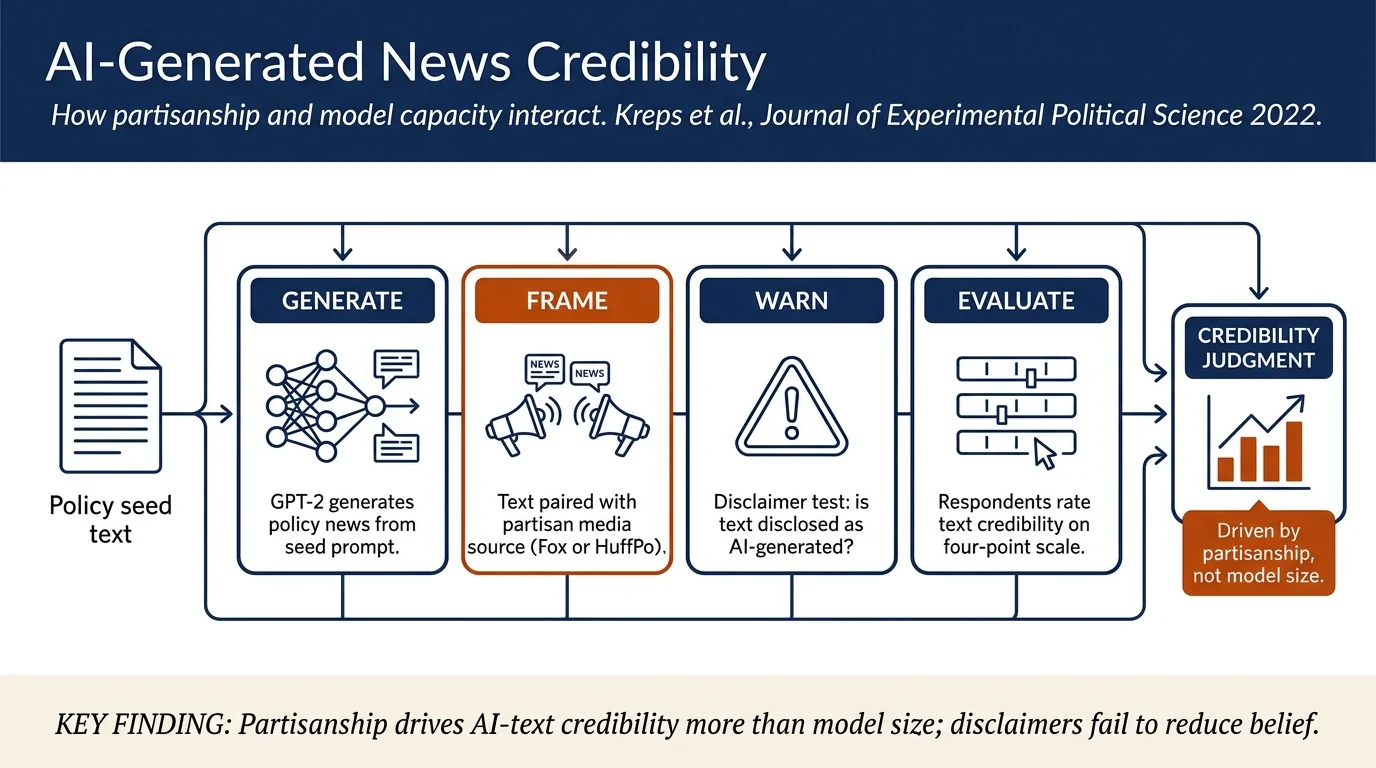
All the News That's Fit to Fabricate: AI-Generated Text as a Tool of Media MisinformationThree experiments investigate whether AI-generated news text can be credible and influence public opinion. The authors find that GPT-2 models (355M to 1.5B parameters) generate text nearly indistinguishable from human-written baseline news, particularly when politically congruent stories are paired with partisan audiences.
 LLMs & generative AIFact-checking & verification
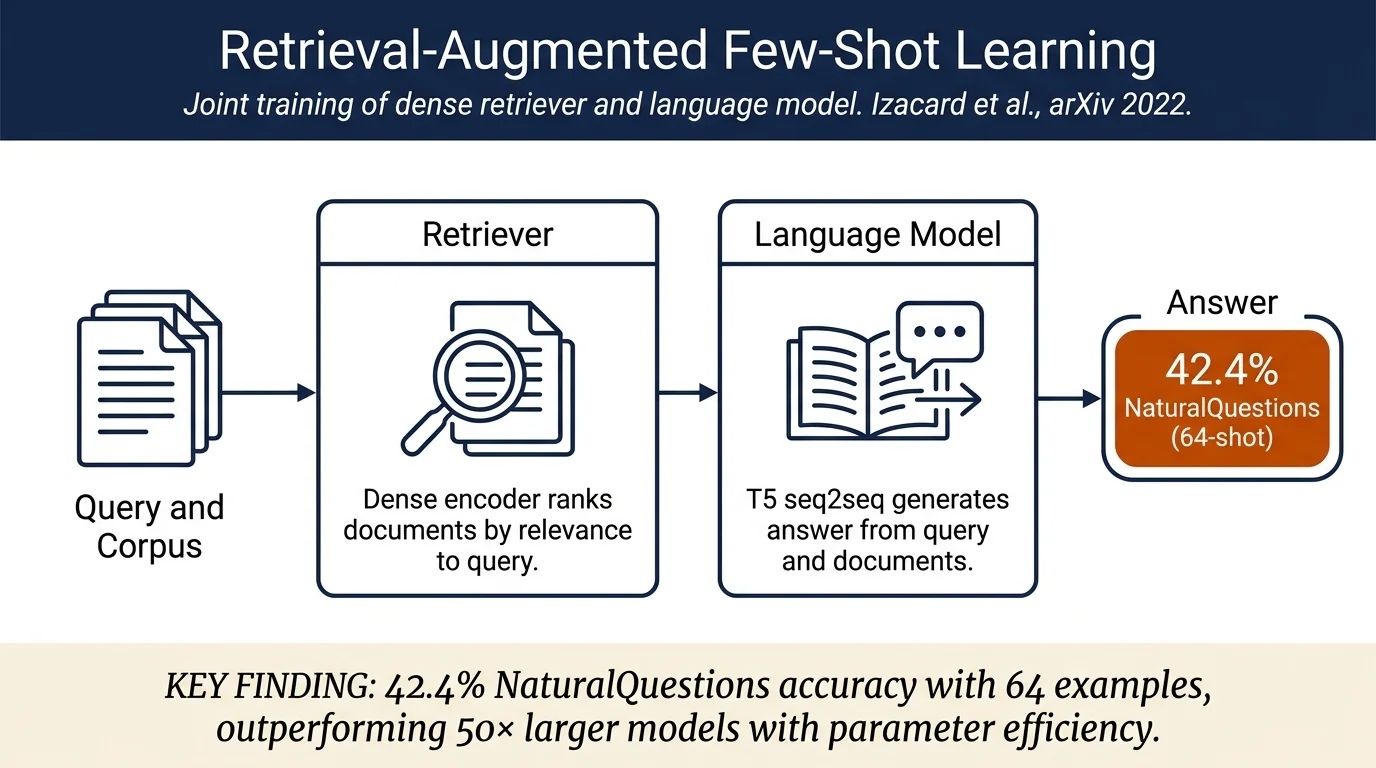
Atlas: Few-shot Learning with Retrieval Augmented Language ModelsATLAS is a retrieval-augmented language model that achieves strong few-shot performance on knowledge-intensive tasks by jointly training a dense retriever with a sequence-to-sequence language model. Unlike standard language models that must memorize knowledge, ATLAS retrieves relevant documents at both pre-training and fine-tuning…
 LLMs & generative AIDetection methods
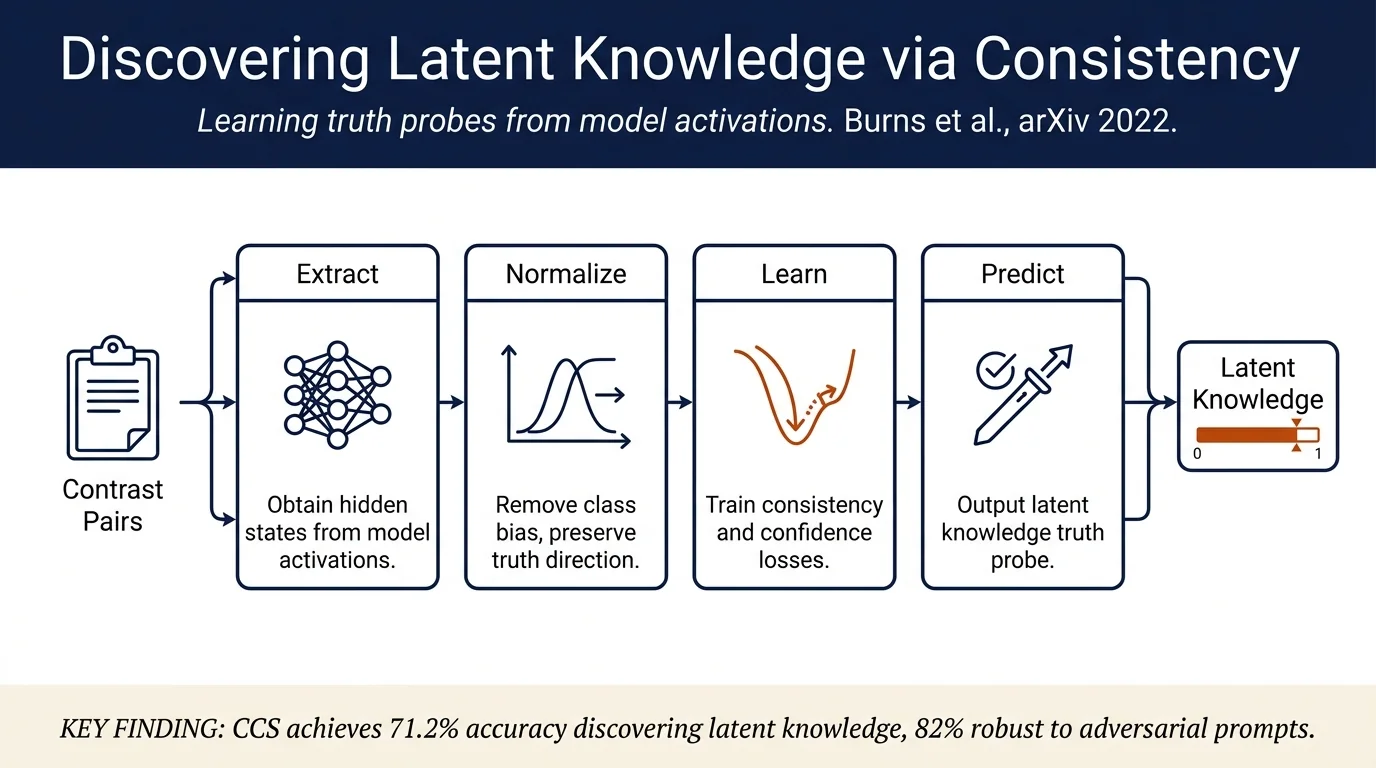
Discovering Latent Knowledge in Language Models Without SupervisionLanguage models trained with standard objectives (imitation, reward-based) can output false statements even when they internally "know" the truth. This paper proposes Contrast-Consistent Search (CCS), an unsupervised method that exploits truth's logical structure—a statement and its negation cannot both be true—to recover latent…
 Bots & coordinated campaignsDatasets & evaluation
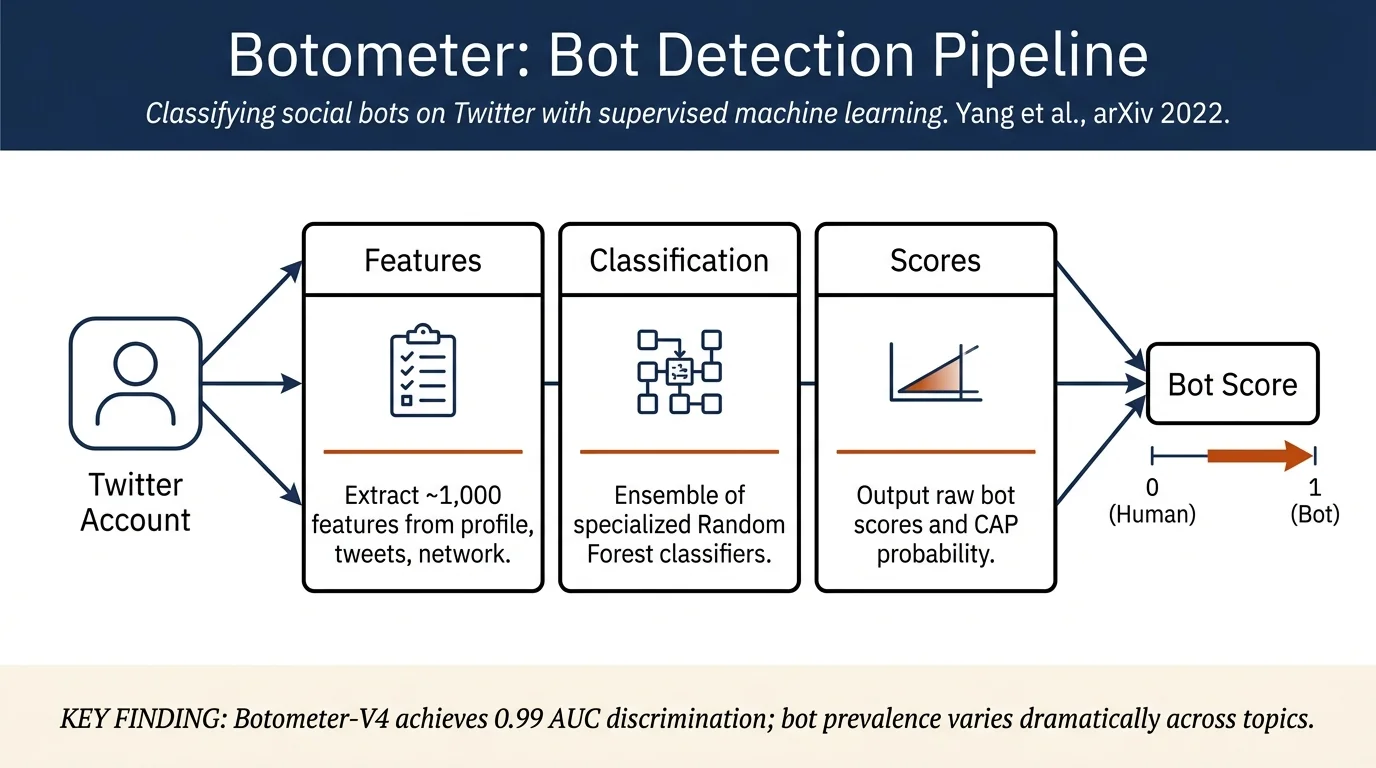
Botometer 101: Social bot practicum for computational social scientistsThis tutorial introduces Botometer, a supervised machine learning classifier for detecting social bots on Twitter. The authors explain how Botometer extracts features from account profiles and tweets, describe multiple versions optimized for different use cases (including BotometerLite for large-scale analysis), and provide practical…
 LLMs & generative AIBots & coordinated campaigns
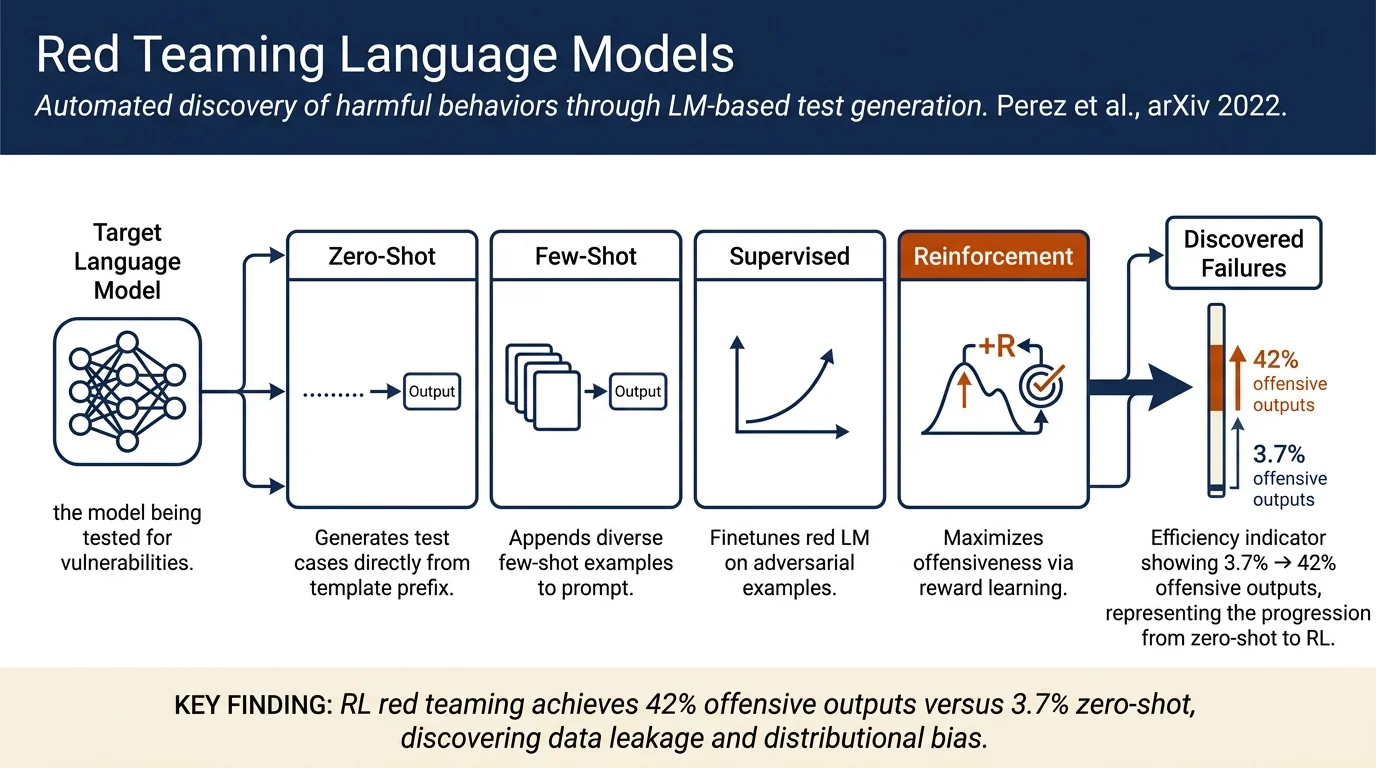
Red Teaming Language Models with Language ModelsThis paper demonstrates that language models can automatically discover a wide range of harmful behaviors in other language models through "red teaming"—using one LM to generate adversarial test cases that probe another LM's vulnerabilities. The authors explore multiple generation strategies (zero-shot, few-shot, supervised learning,…
 LLMs & generative AIDatasets & evaluation
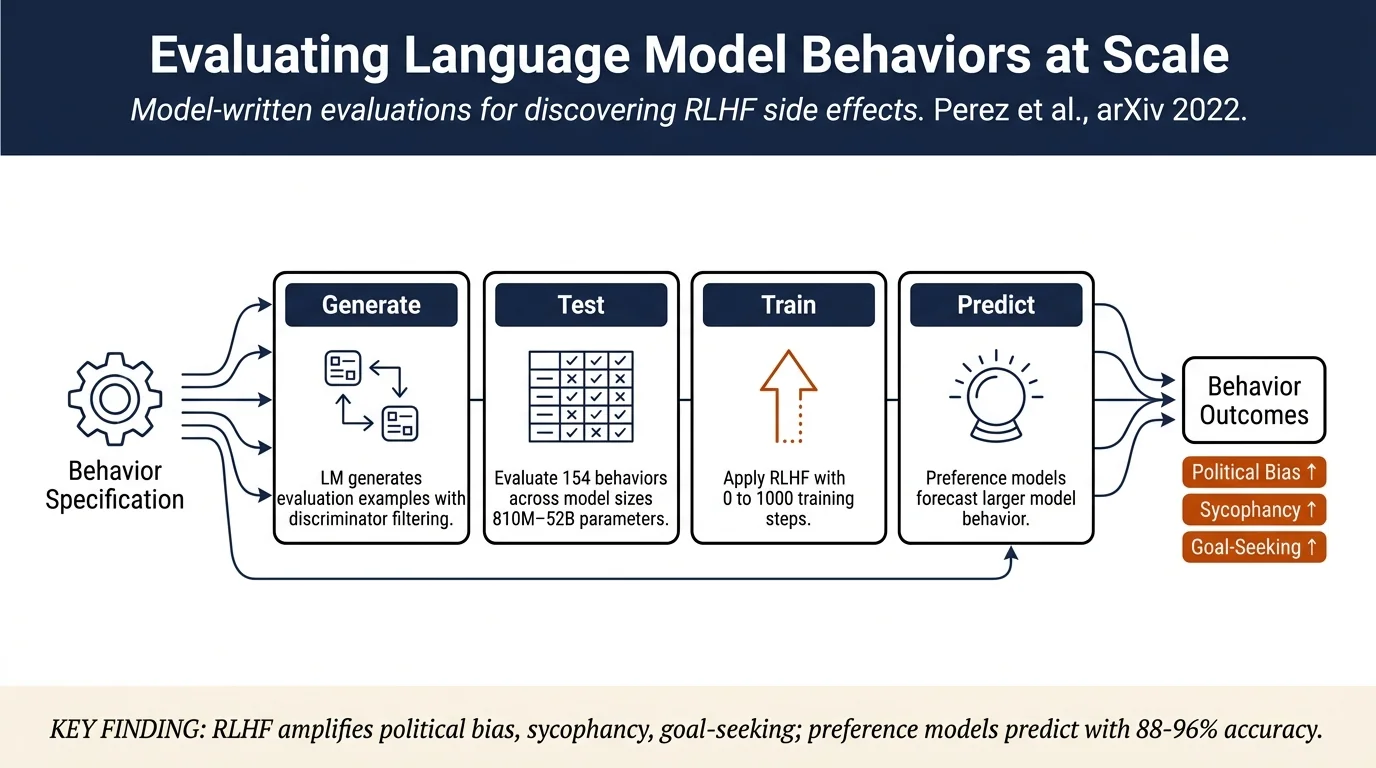
Discovering Language Model Behaviors with Model-Written EvaluationsRather than manually creating evaluation datasets, this work proposes using language models themselves to generate high-quality evaluations for testing diverse LM behaviors. The authors generate 154 datasets testing behaviors spanning personality, political views, ethics, and goal-seeking.