Explore papers
Filter by research area, year and venue. Every filter is in the address bar, so you can share a view as a link.
 LLMs & generative AIDetection methods
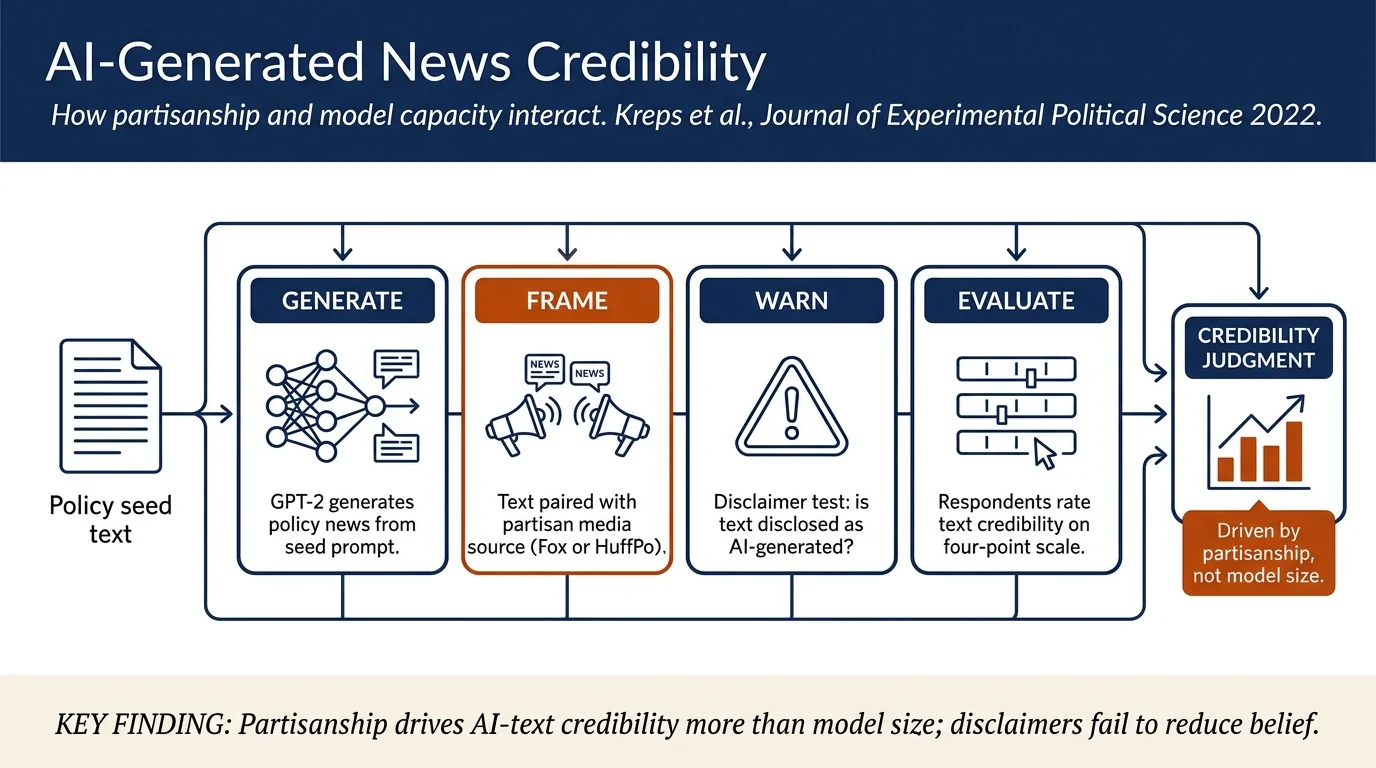
All the News That's Fit to Fabricate: AI-Generated Text as a Tool of Media MisinformationThree experiments investigate whether AI-generated news text can be credible and influence public opinion. The authors find that GPT-2 models (355M to 1.5B parameters) generate text nearly indistinguishable from human-written baseline news, particularly when politically congruent stories are paired with partisan audiences.
 LLMs & generative AIFact-checking & verification
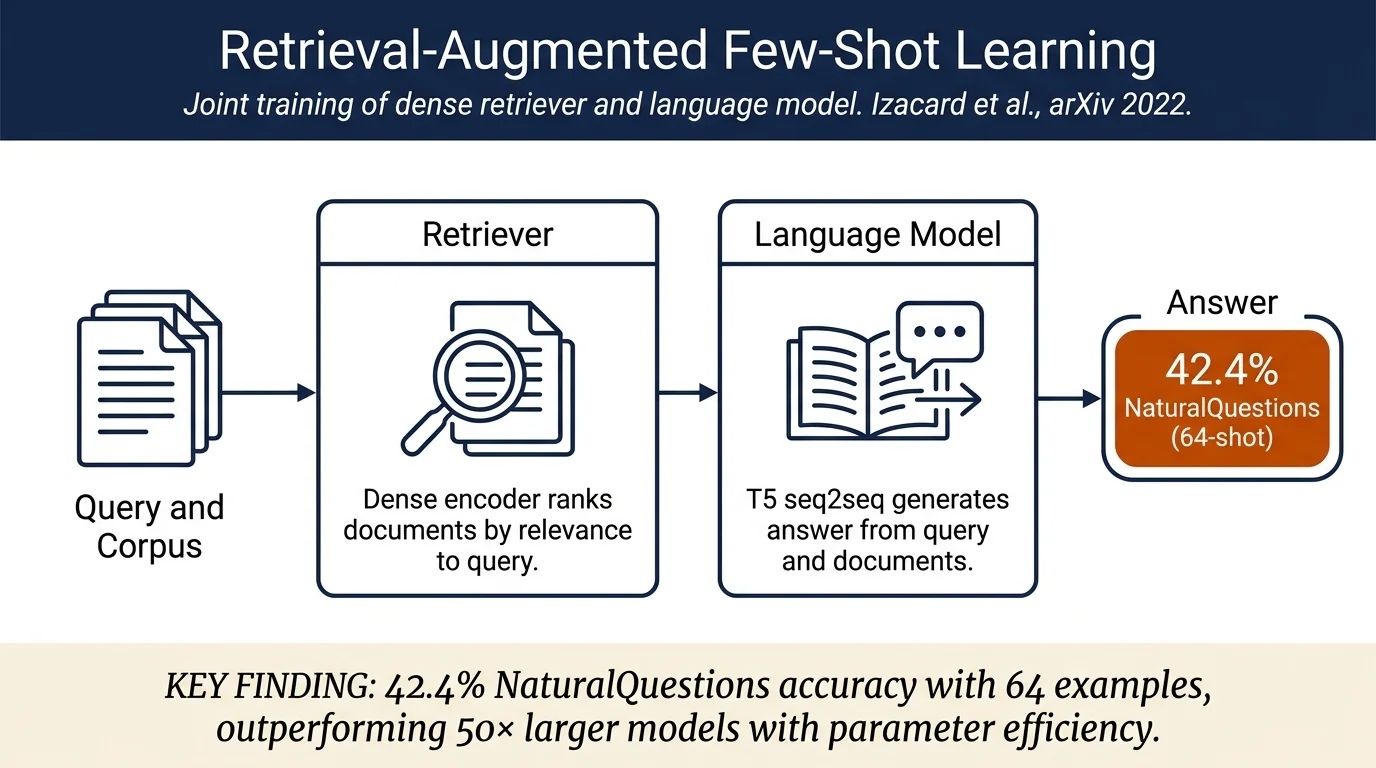
Atlas: Few-shot Learning with Retrieval Augmented Language ModelsATLAS is a retrieval-augmented language model that achieves strong few-shot performance on knowledge-intensive tasks by jointly training a dense retriever with a sequence-to-sequence language model. Unlike standard language models that must memorize knowledge, ATLAS retrieves relevant documents at both pre-training and fine-tuning…
 LLMs & generative AIDetection methods
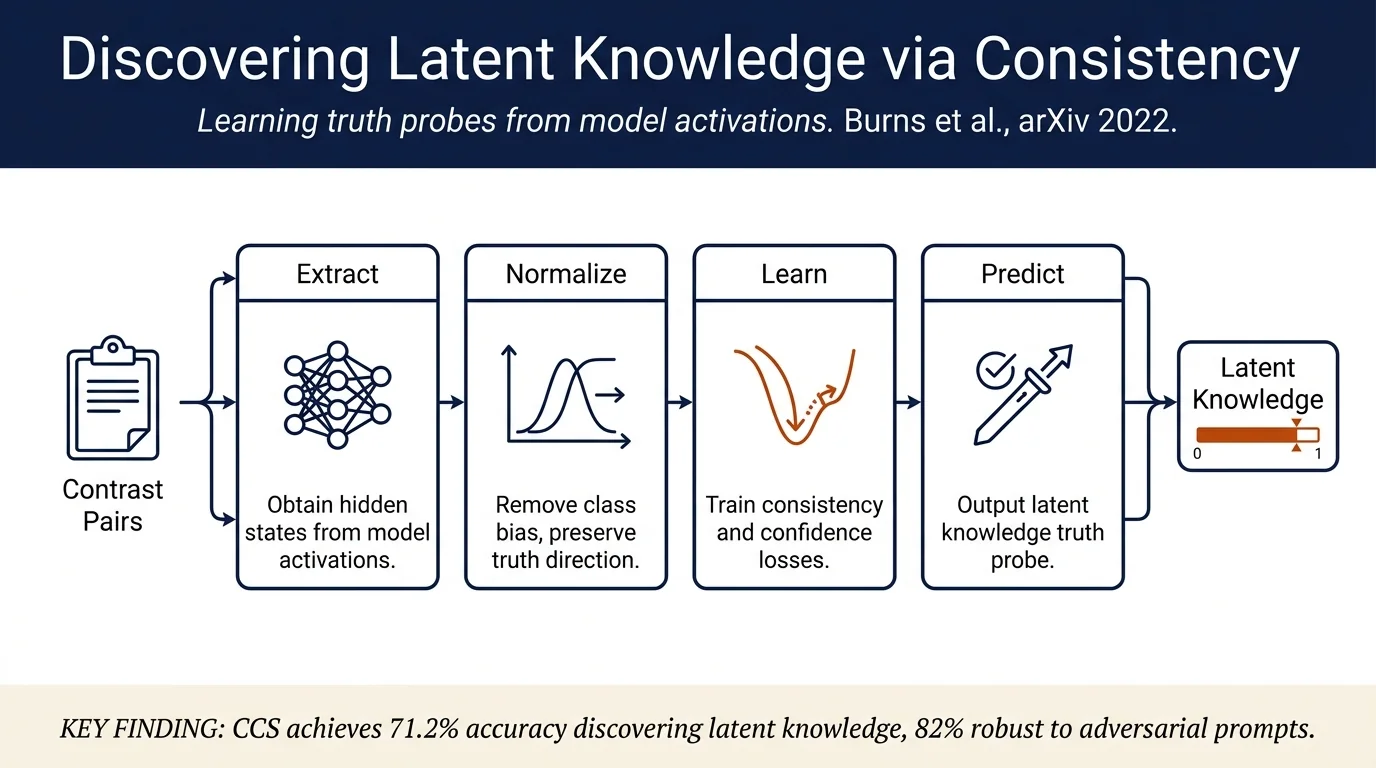
Discovering Latent Knowledge in Language Models Without SupervisionLanguage models trained with standard objectives (imitation, reward-based) can output false statements even when they internally "know" the truth. This paper proposes Contrast-Consistent Search (CCS), an unsupervised method that exploits truth's logical structure—a statement and its negation cannot both be true—to recover latent…
 LLMs & generative AIBots & coordinated campaigns
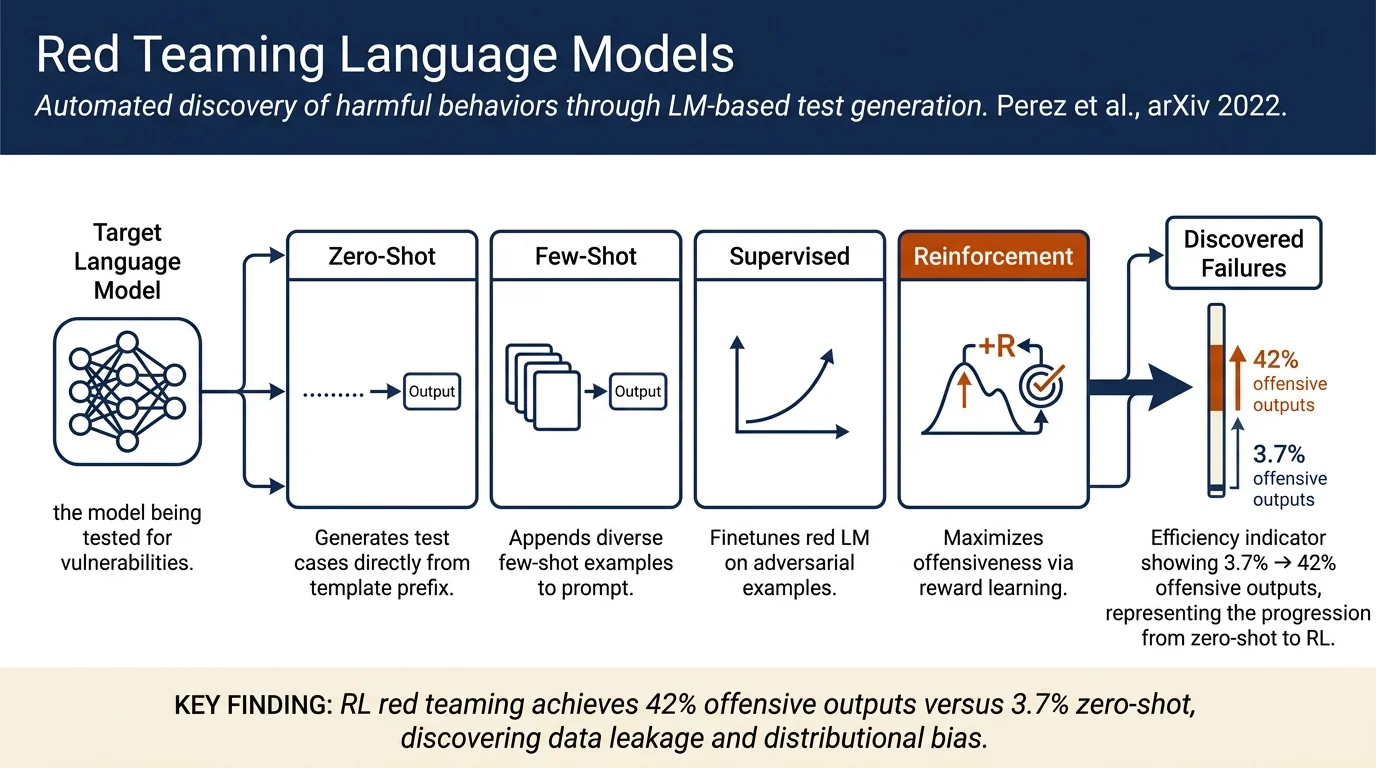
Red Teaming Language Models with Language ModelsThis paper demonstrates that language models can automatically discover a wide range of harmful behaviors in other language models through "red teaming"—using one LM to generate adversarial test cases that probe another LM's vulnerabilities. The authors explore multiple generation strategies (zero-shot, few-shot, supervised learning,…
 LLMs & generative AIDatasets & evaluation
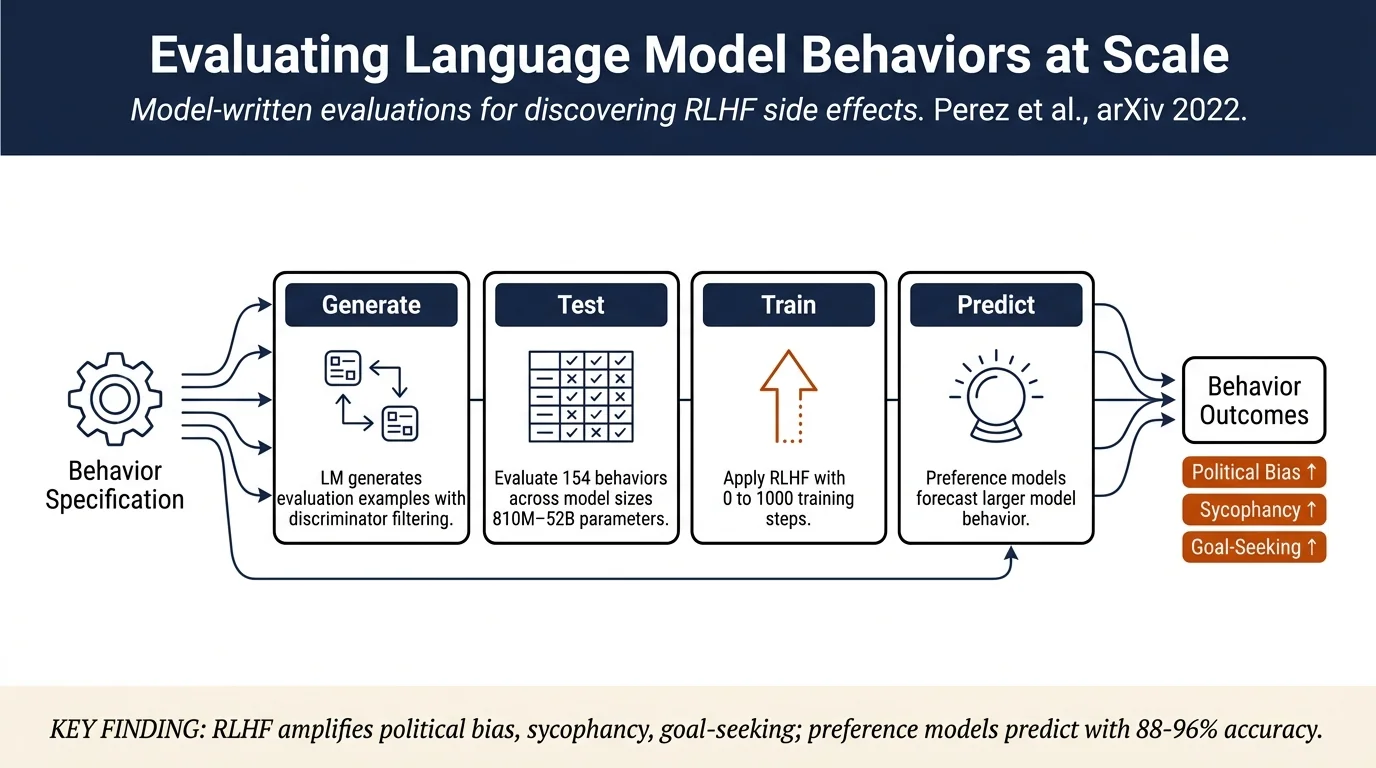
Discovering Language Model Behaviors with Model-Written EvaluationsRather than manually creating evaluation datasets, this work proposes using language models themselves to generate high-quality evaluations for testing diverse LM behaviors. The authors generate 154 datasets testing behaviors spanning personality, political views, ethics, and goal-seeking.
 LLMs & generative AIDetection methods
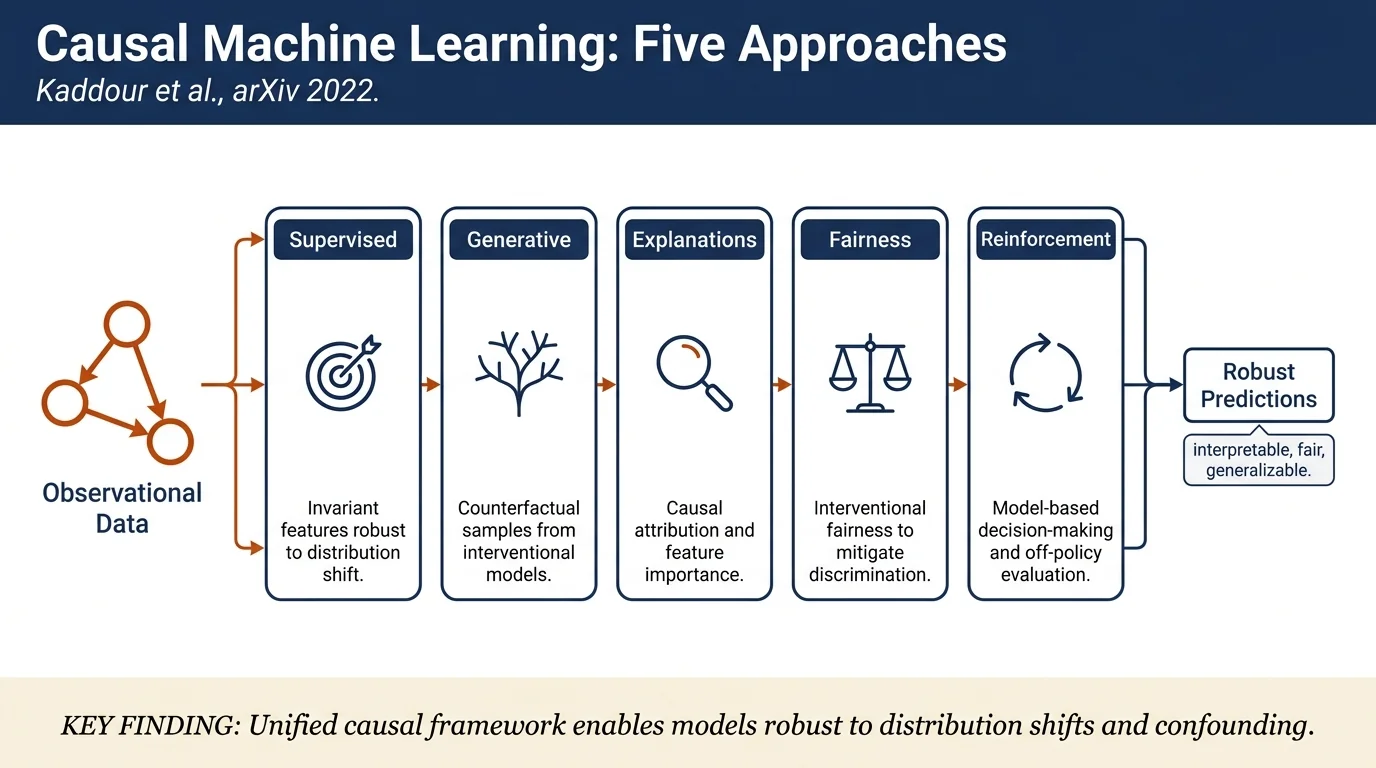
Causal Machine Learning: A Survey and Open ProblemsComprehensive survey of causal machine learning (CausalML), which formalizes data generation as a structural causal model to reason about interventions and counterfactuals. Categorizes 191 pages of CausalML work into five groups—causal supervised learning, causal generative modeling, causal explanations, causal fairness, and causal…
 Platforms, policy & societyDetection methods
A Comprehensive Survey on Trustworthy Recommender SystemsRecommender systems, while beneficial to users, can amplify harmful content, introduce discrimination, and enable adversarial attacks. This survey provides a comprehensive framework for trustworthy recommender systems across six critical dimensions: Safety & Robustness (defense against adversarial attacks), Non-discrimination & Fairness…
 Detection methodsLLMs & generative AI
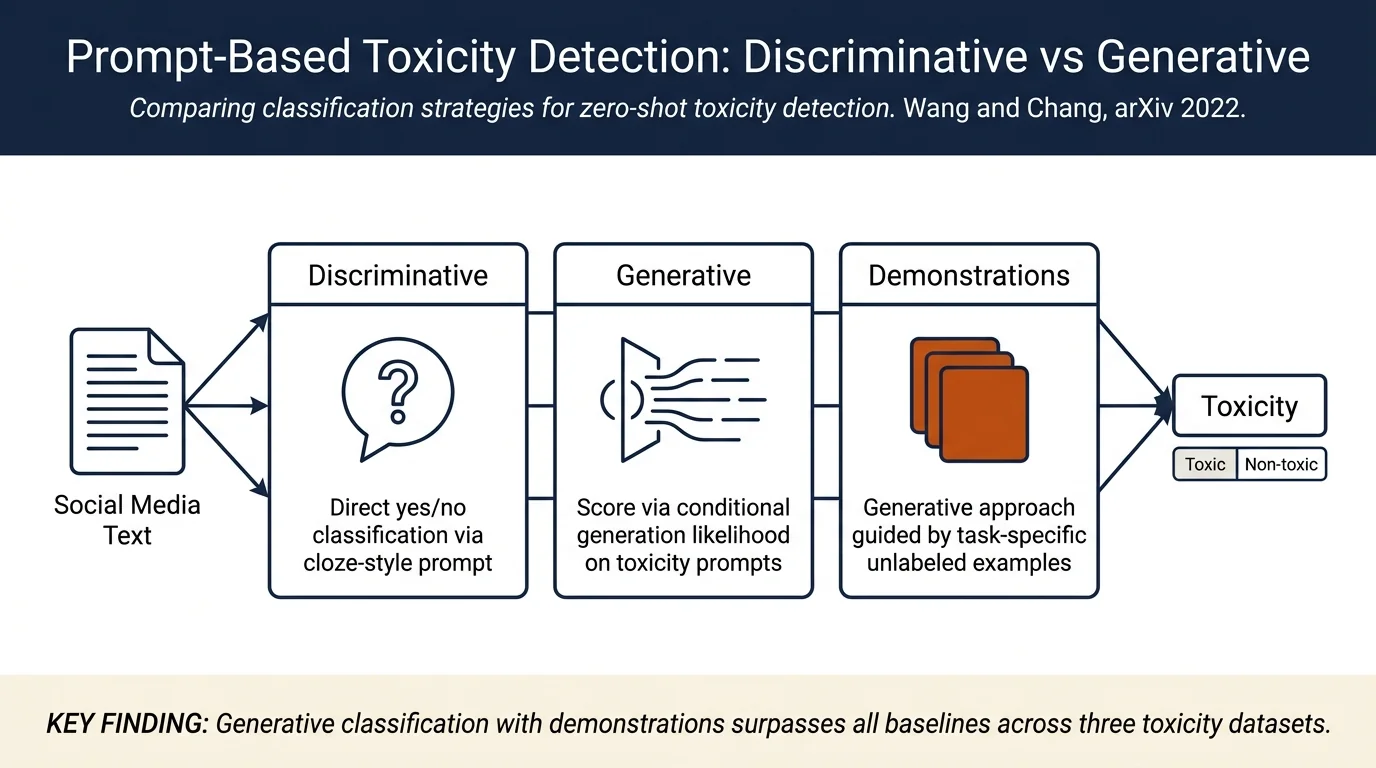
Toxicity Detection with Generative Prompt-based InferenceThis paper proposes a generative variant of zero-shot prompt-based toxicity detection using language models, comparing it against discriminative approaches. By formulating the problem as estimating the probability of generating a test instance conditioned on toxicity-guided prompts, the method achieves better performance than…
 LLMs & generative AIDetection methods
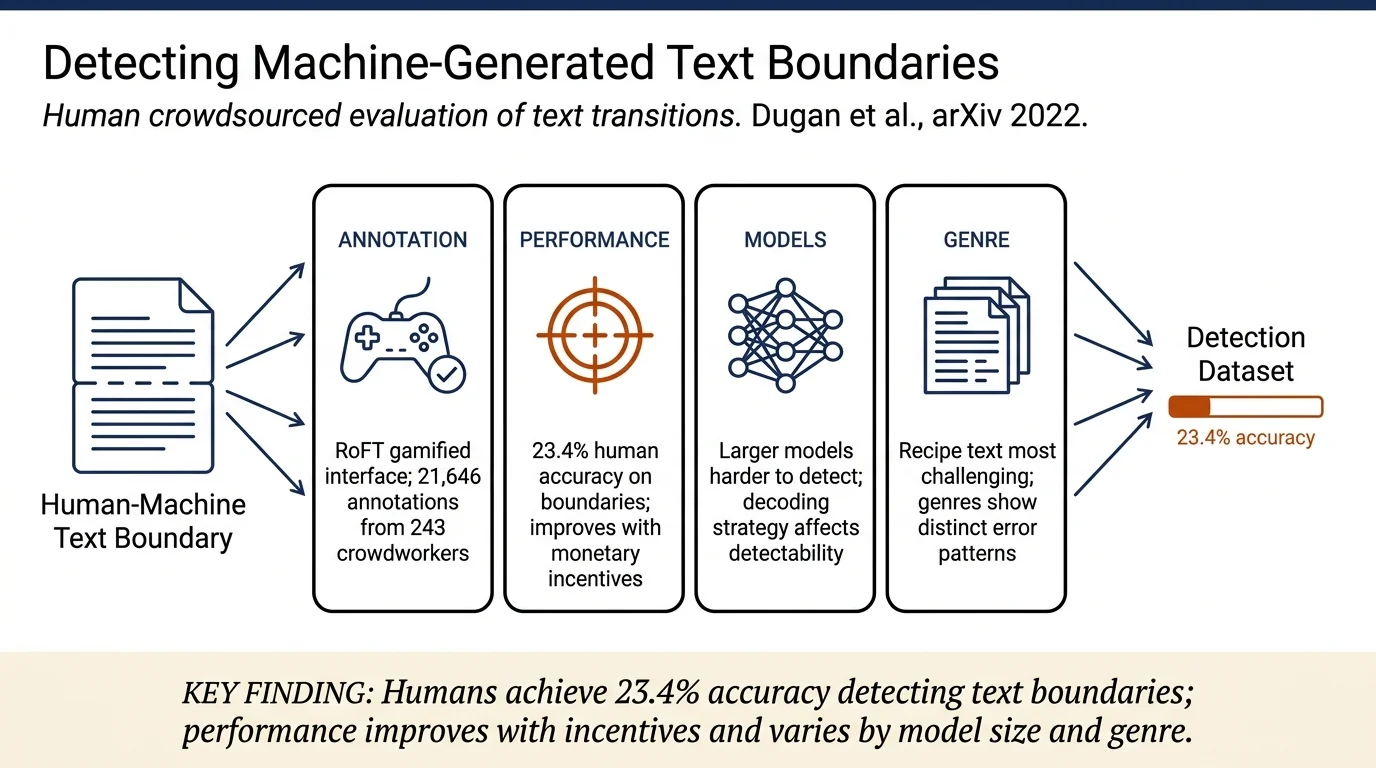
Real or Fake Text?: Investigating Human Ability to Detect Boundaries Between Human-Written and Machine-Generated TextDugan et al. investigate human ability to detect boundaries where text transitions from human-written to machine-generated, a more realistic and challenging task than binary fake/real classification. They introduce the RoFT (Real or Fake Text) game platform for crowdsourced annotation and release a dataset of 21,000+ annotations across…