Explore papers
Filter by research area, year and venue. Every filter is in the address bar, so you can share a view as a link.
 Spread & networksDetection methods
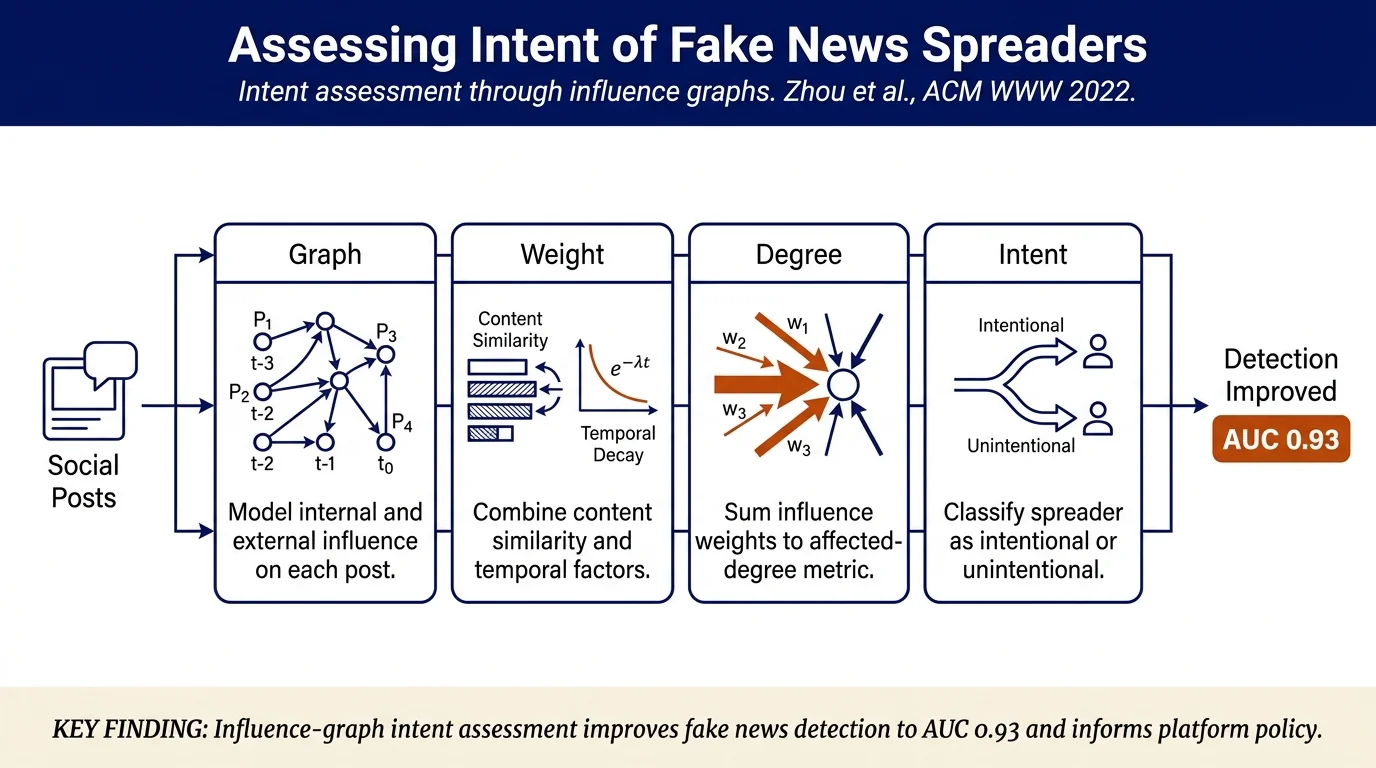
"This is Fake! Shared it by Mistake": Assessing the Intent of Fake News SpreadersThis work is the first to systematically assess whether individuals spread fake news intentionally or unintentionally. The authors propose an influence graph that captures psychological (internal) and social (external) factors driving unintentional spreading, validate it on two datasets with manually-annotated spreader intent, and…
 LLMs & generative AIDetection methods
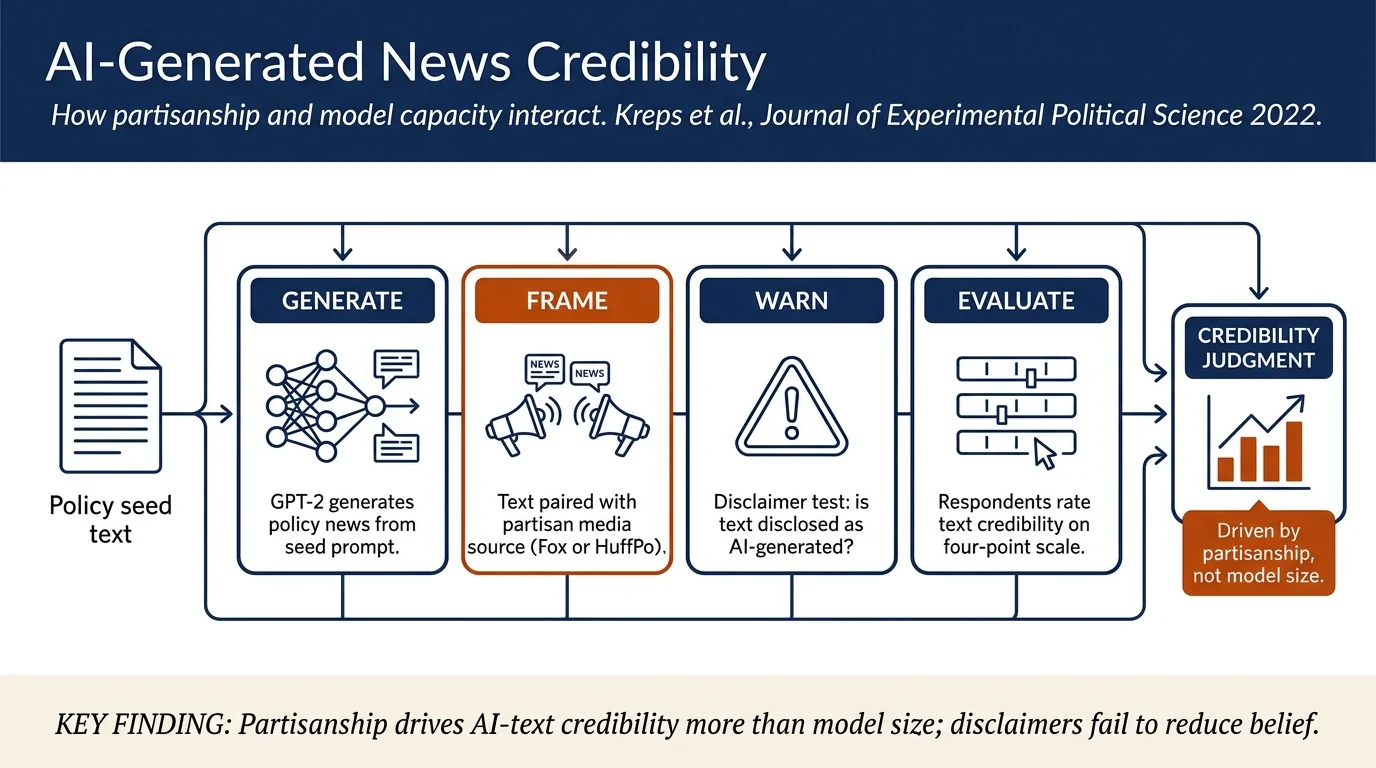
All the News That's Fit to Fabricate: AI-Generated Text as a Tool of Media MisinformationThree experiments investigate whether AI-generated news text can be credible and influence public opinion. The authors find that GPT-2 models (355M to 1.5B parameters) generate text nearly indistinguishable from human-written baseline news, particularly when politically congruent stories are paired with partisan audiences.
 LLMs & generative AIBots & coordinated campaigns
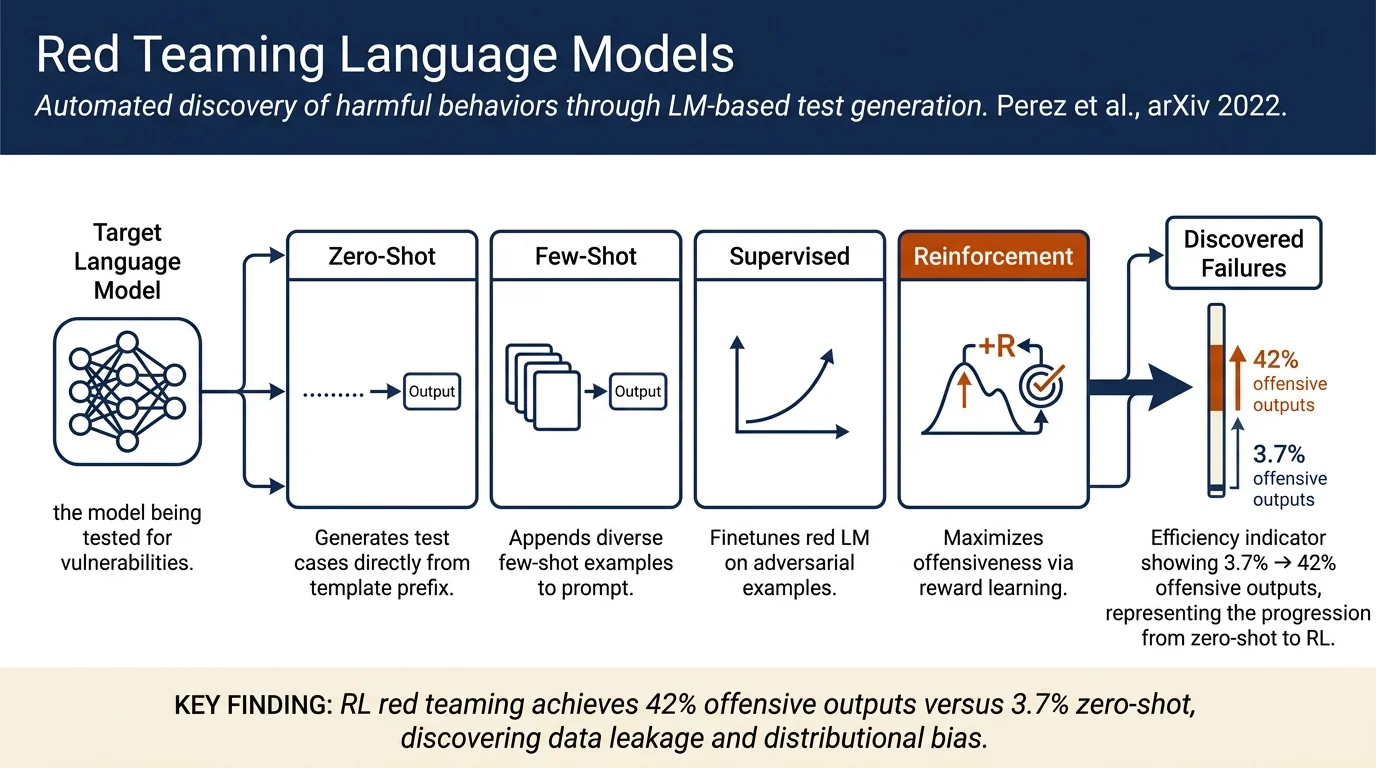
Red Teaming Language Models with Language ModelsThis paper demonstrates that language models can automatically discover a wide range of harmful behaviors in other language models through "red teaming"—using one LM to generate adversarial test cases that probe another LM's vulnerabilities. The authors explore multiple generation strategies (zero-shot, few-shot, supervised learning,…
 LLMs & generative AIDatasets & evaluation
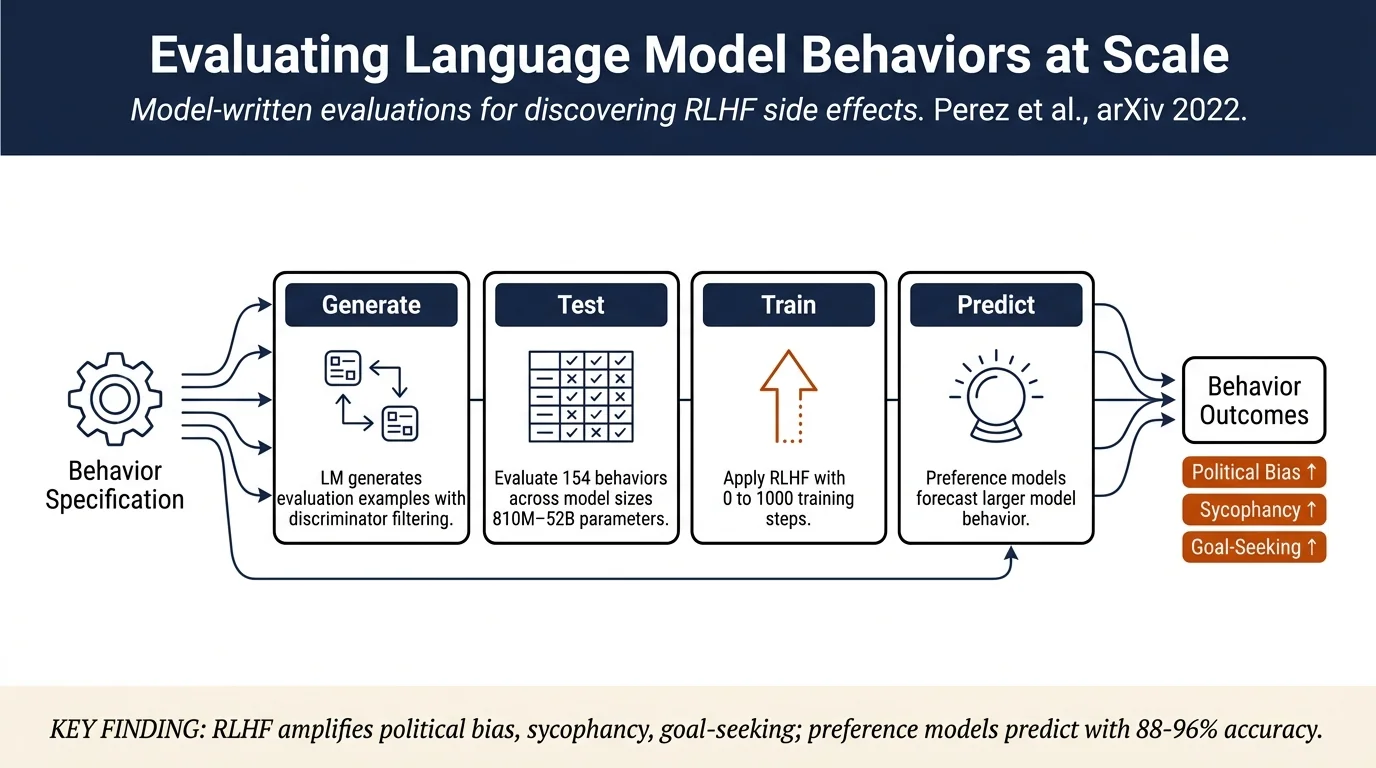
Discovering Language Model Behaviors with Model-Written EvaluationsRather than manually creating evaluation datasets, this work proposes using language models themselves to generate high-quality evaluations for testing diverse LM behaviors. The authors generate 154 datasets testing behaviors spanning personality, political views, ethics, and goal-seeking.
 LLMs & generative AIDetection methods
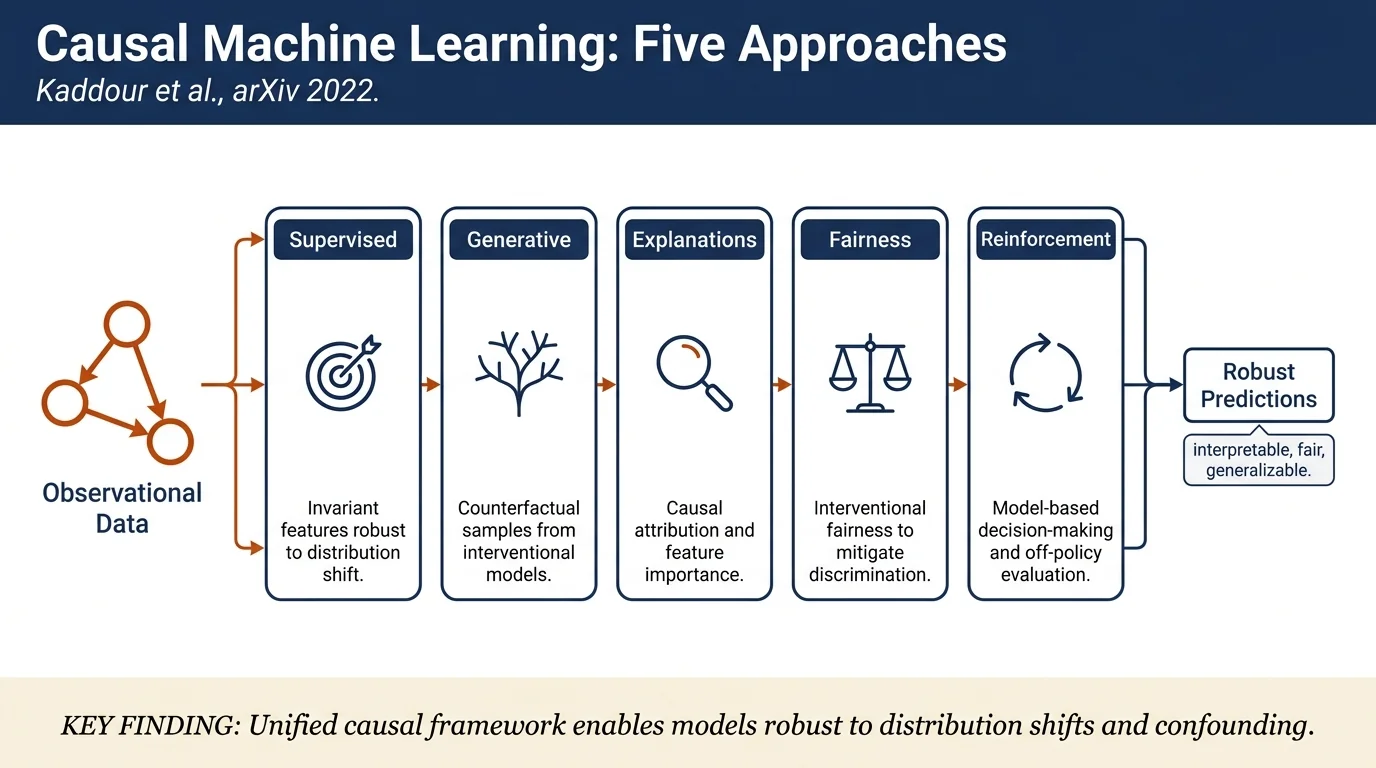
Causal Machine Learning: A Survey and Open ProblemsComprehensive survey of causal machine learning (CausalML), which formalizes data generation as a structural causal model to reason about interventions and counterfactuals. Categorizes 191 pages of CausalML work into five groups—causal supervised learning, causal generative modeling, causal explanations, causal fairness, and causal…
 Platforms, policy & societyDetection methods
A Comprehensive Survey on Trustworthy Recommender SystemsRecommender systems, while beneficial to users, can amplify harmful content, introduce discrimination, and enable adversarial attacks. This survey provides a comprehensive framework for trustworthy recommender systems across six critical dimensions: Safety & Robustness (defense against adversarial attacks), Non-discrimination & Fairness…
 Spread & networksPlatforms, policy & society
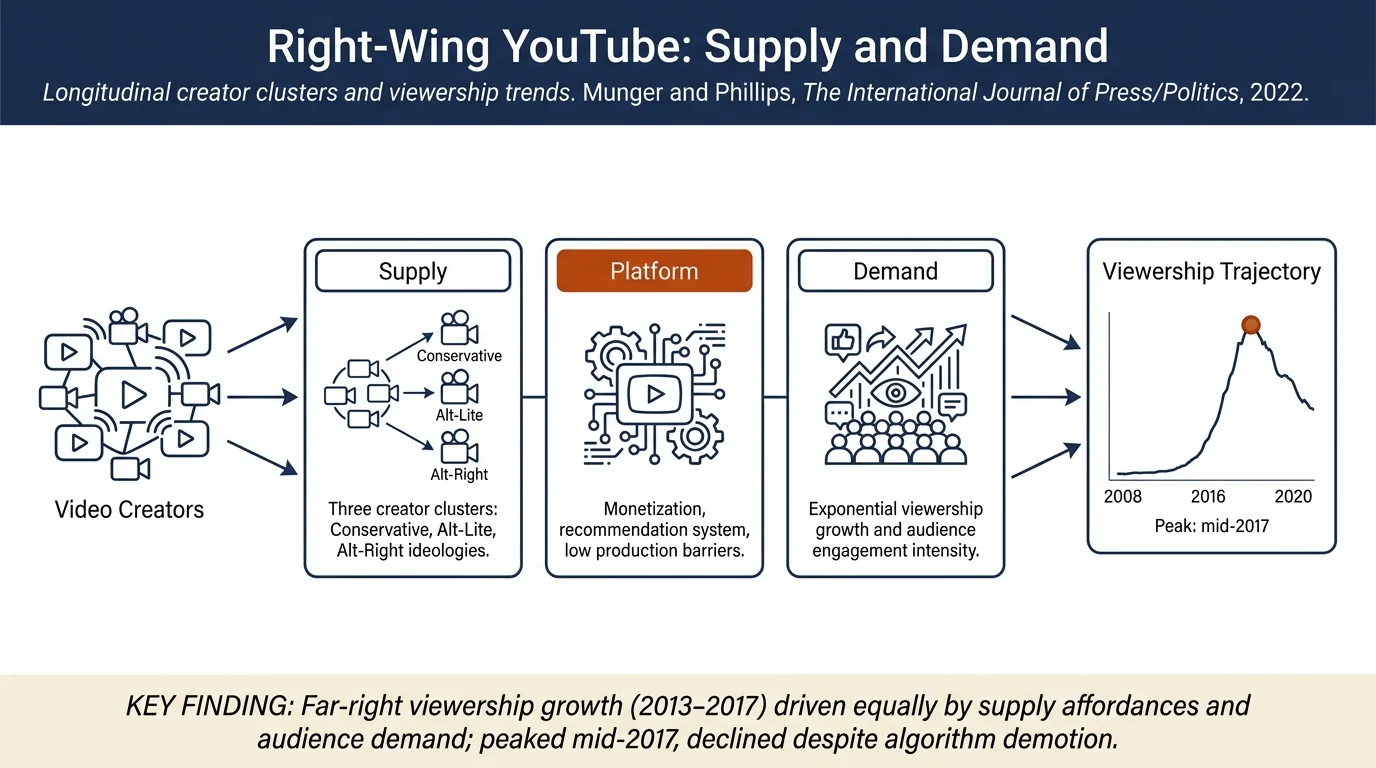
Right-Wing YouTube: A Supply and Demand PerspectiveYouTube has become the dominant platform for right-wing political content in the US, driven by supply-side affordances (low creation barriers, monetization, algorithmic recommendation) and demand-side audience appetite for alternative media. Using longitudinal analysis of creator clusters (Conservative, Alt-Lite, Alt-Right), the authors…
 Psychology & interventionsFact-checking & verification
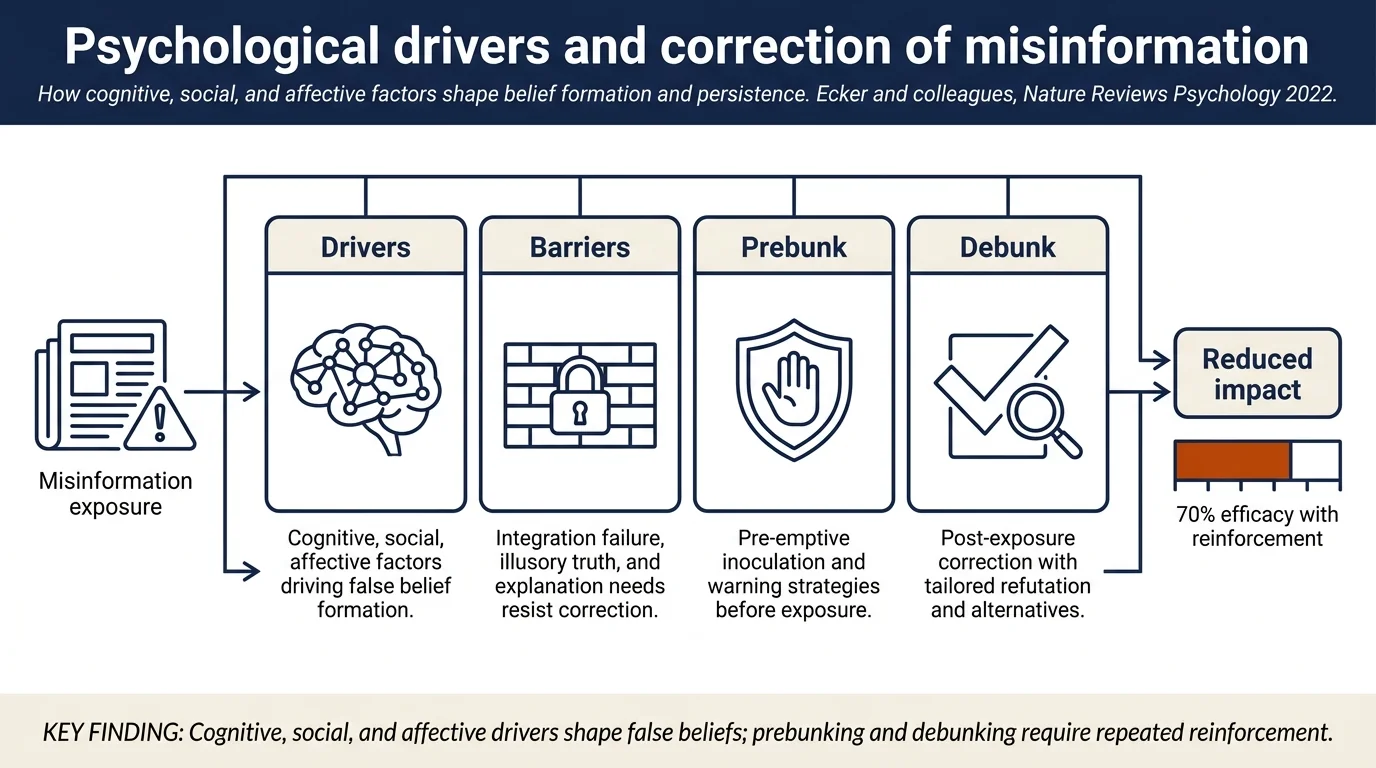
The psychological drivers of misinformation belief and its resistance to correctionThis comprehensive review establishes that misinformation's power lies not in exposure but in how cognitive, social, and affective factors shape belief formation and persist even after correction. False beliefs arise from intuitive thinking, memory failures, emotional content, in-group bias, and source credibility judgments; corrections…