Political ideology encompasses the system of beliefs, values, and policy preferences that organize an individual's political worldview. Research examining fake news, misinformation, and conspiracy theory endorsement has increasingly shown that political ideology—particularly the liberal-conservative dimension—is a strong predictor of susceptibility to certain types of false information, though patterns vary by content domain.
Ideological asymmetry in misinformation
A significant finding in recent misinformation research is ideological asymmetry: belief in certain conspiracy theories and exposure to misinformation is not evenly distributed across the political spectrum. For instance, American political conservatives are substantially more likely than liberals to endorse conspiracy theories in general and to believe in climate-change conspiracy theories specifically (e.g., that climate scientists are deliberately misleading the public). This asymmetry persists across multiple large nationally representative samples and holds for both symbolic ideology (self-placement on a liberal-conservative scale) and operational ideology (issue-based preferences on economic and social policy).
The mechanisms driving ideological asymmetry include psychological pathways such as distrust of institutional authorities (distrust of scientists, government, media) and paranoid ideation—both of which correlate more strongly with conservatism and partially explain why conservatives are more susceptible to conspiracy narratives.
Relationship to motivated reasoning
Political ideology shapes what citizens believe through motivated reasoning—the tendency to process information in ways that protect or reinforce existing beliefs. When information challenges a person's political worldview, they are more likely to reject it; when information aligns with their ideology, they are more likely to accept it, even if the information is false. This dynamic helps explain why fact-checking and corrective information are often ineffective and can even backfire when they challenge ideologically motivated positions.
Key papers in this wiki
Related topics
Papers on this topic
 Psychology & interventionsDetection methods
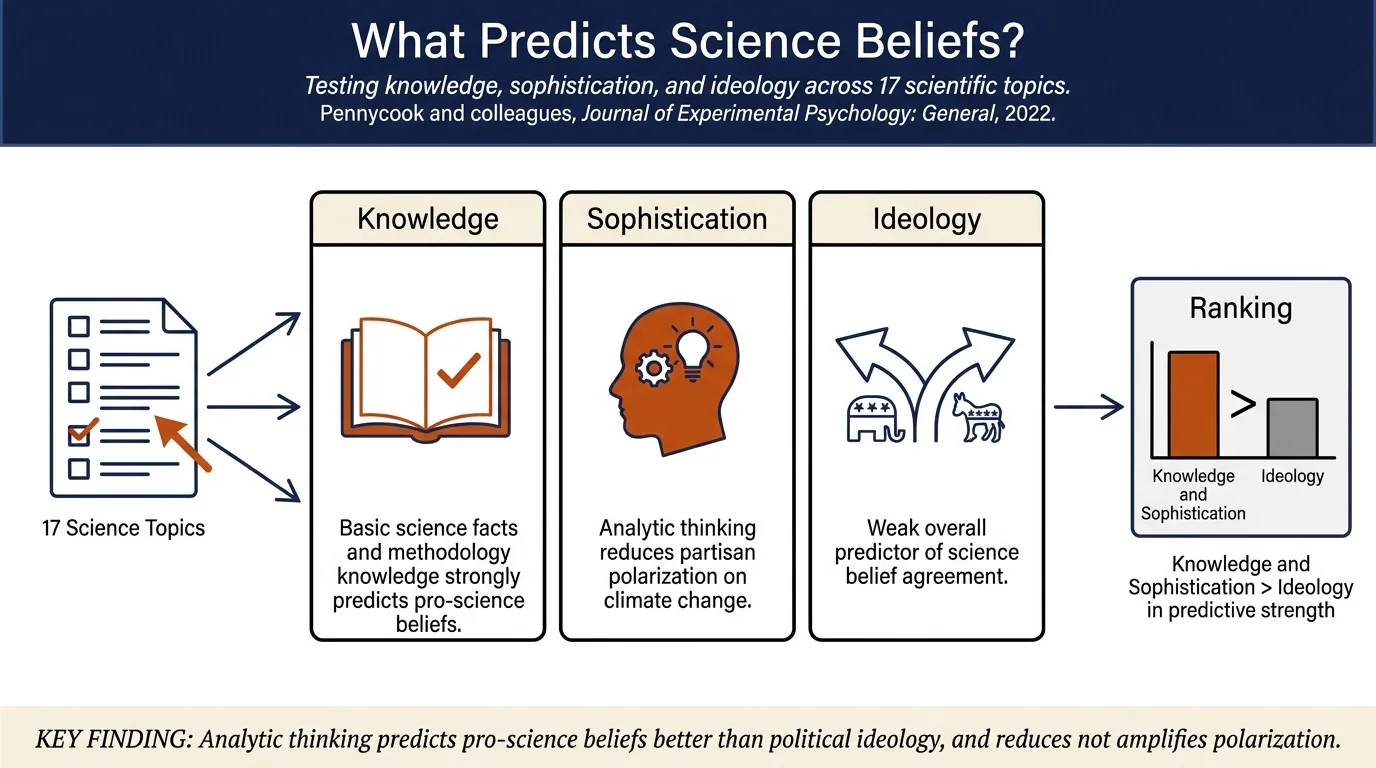
Science beliefs, political ideology, and cognitive sophistication
Psychology & interventionsDetection methods
Susceptibility to misinformation is consistent across question framings and response modes and better explained by myside bias and partisanship than analytical thinking
Psychology & interventionsDetection methods
The Paranoid Style in American Politics Revisited: An Ideological Asymmetry in Conspiratorial Thinking
 Psychology & interventionsPlatforms, policy & society
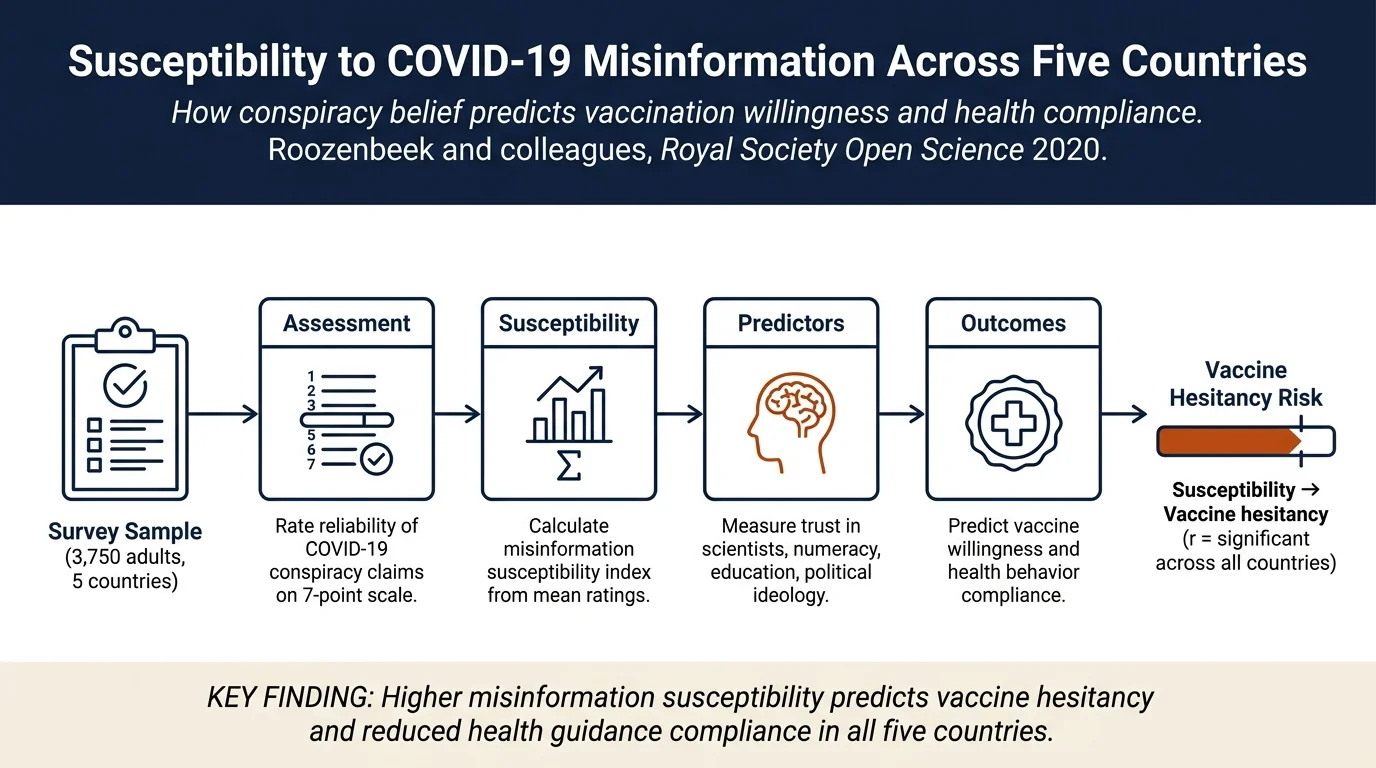
Susceptibility to misinformation about COVID-19 around the world