Explore talks and videos
Filter by research area, year and venue. Every filter is in the address bar, so you can share a view as a link.
 Detection methodsSpread & networks
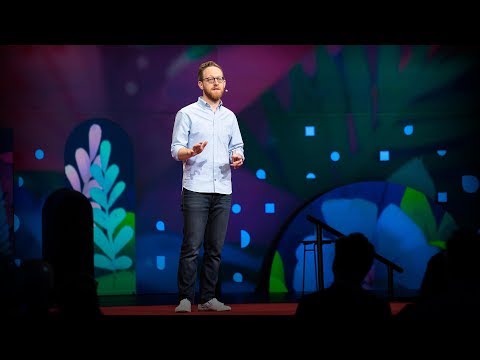
Fake News in the 2016 and 2018 Campaigns: Prevalence, Detection, and EffectsNyhan presents empirical findings on fake news consumption in the 2016 and 2018 U.S. campaigns, drawing from survey data with browser tracking to measure actual article visits. While mainstream media reported on fake news as a widespread crisis, his research shows that only ~25% of Americans visited fake news websites, and consumption…
 Platforms, policy & societyPsychology & interventions
Inside the bizarre world of internet trolls and propagandistsJournalist Andrew Marantz spent three years investigating propagandists and online extremists, tracing how fringe conspiracy theories and hate speech go viral on social media platforms. He exposes how social media algorithms optimized for engagement enable propagandists to leverage emotion over truth, and documents the pipeline through…
 Deepfakes & multimodalPlatforms, policy & society
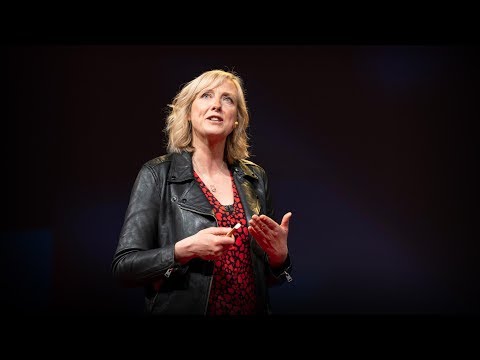
How deepfakes undermine truth and threaten democracyDeepfakes use machine-learning technology to create fabricated audio and video of people doing or saying things they never did. Law professor Danielle Citron explores the dual threats: individual harm (non-consensual sexual deepfakes targeting women, especially minorities and journalists) and societal damage (eroding trust in…
 Platforms, policy & societyBots & coordinated campaigns
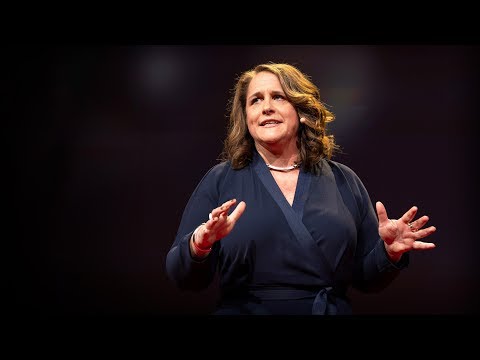
Facebook's role in Brexit — and the threat to democracyInvestigative journalist Carole Cadwalladr exposes the systematic abuse of Facebook as an instrument for election interference during the 2016 Brexit referendum. She documents illegal campaign spending, microtargeted disinformation, Cambridge Analytica's harvesting of 87 million user profiles, and traces connections between Brexit and…
 Platforms, policy & societySpread & networks
How You Can Help Transform the Internet into a Place of TrustWardle examines the systemic challenges of moderating harmful content at internet scale while preserving freedom of expression. She argues that the core problem is not technical (AI could theoretically detect violations) but structural: platforms and governments lack clear authority to decide what constitutes harmful speech, face…
 Spread & networksBots & coordinated campaigns
5 Reasons Why Social Networks Make Us Vulnerable to MisinformationMenczer presents five fundamental factors that make social networks inherently vulnerable to misinformation spread. Information and misinformation propagate through networks at equivalent rates due to structural properties of scale-free networks combined with human cognitive limitations.